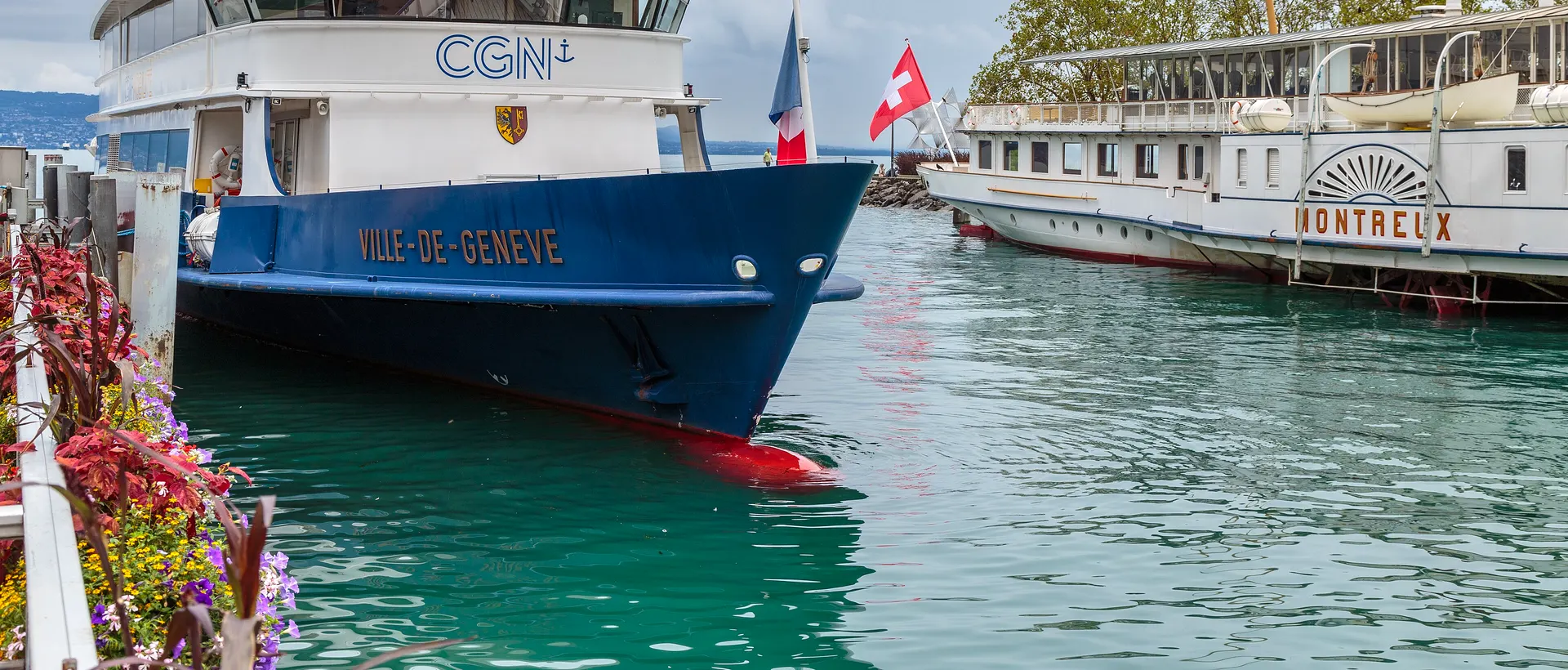
Living in Lausanne means a city built on a steep slope, with the lake at the bottom, vineyards on one side and the Alps across the water. It is a place people often describe as relaxed but lively. If you are still abroad and have never been, this page walks you through what daily life looks like and what to prepare at home first.
Where Lausanne is and what it feels like
Lausanne sits on the northern shore of Lake Geneva, in the canton of Vaud (VD). In 2025 the city had a permanent resident population of 145,596 people (FSO). That makes it a real city, but one you can cross on foot, by metro or by bus without much stress.
French is the language of daily life here, from the bakery to the school gate. Many residents also speak English, especially in universities, hospitals and international workplaces, but official letters and forms arrive in French. A few weeks of basic French before you leave goes a long way.
The city is also very international. In 2025, 62,466 residents were foreign nationals, which is 42.9% of the population (FSO). Example: a couple from Singapore who arrive without any French will usually find other newcomers in the same building or at the same school, and neighbors used to explaining things.
The hills, the lake and the rhythm of the day
Lausanne is built in layers. The old town and cathedral sit high up, the station is partway down, and the lakeside district of Ouchy is at the bottom. Expect stairs, slopes and views. Mornings often start with a walk along the lake or a coffee in a square, and many people spend weekends in the vineyards, on the water, or on a short train ride toward the mountains.
Neighborhoods and nearby communes
You do not have to live inside the city limits. Many families look at nearby communes around the lake and in the hills, where homes can be quieter and sometimes bigger. A general picture, without prices:
- City center and old town: lively, walkable, mostly apartments, often older buildings.
- Near the lake (Ouchy and around): calm, scenic, popular with people who like walking by the water.
- Residential hills: greener, family-friendly, more reliance on buses or the metro.
- Neighboring communes: a different local administration, different local rules and sometimes different school arrangements, so check the commune before you commit to a lease.
If you are comparing Lausanne with another Swiss city, the city comparator lets you put them side by side. For a different lake setting, read about Geneva or Lucerne, and for the bigger picture see daily life in Switzerland.
Renting in Lausanne
Housing is usually the first big question. Most newcomers rent, and the market is tight: in Vaud, the share of vacant dwellings on 1 June 2026 was 0.87% (FSO). Such a low share means popular apartments go quickly and landlords or property managers can ask for a full file.
For a sense of scale, average net rents in Lausanne for 2022-2024 were CHF 1,369 across all sizes (FSO). For the whole canton of Vaud in 2024, the average was CHF 1,465 (FSO). These are averages of existing leases, not asking prices for apartments listed today, so a new lease can look different.
The chart above shows the pattern: each extra room adds a visible step. Figures for the largest apartments are less precise in the source tables, so treat them as a rough order of magnitude.
Searching from abroad
Searching from another country is possible, but landlords like to meet people or at least see a complete file. A typical file holds an identity document, proof of income or an employment contract, and sometimes an extract from the debt register, which newcomers often cannot get easily from abroad. The rental file check shows what is usually asked for. Many people book a short stay in a temporary rental first, then search in person once they have landed.
For wider budget questions, see the cost of living in Switzerland, or the direct comparisons with the UK and the US.
Schools and children
Families often ask first about schools. Public schools in Vaud teach in French, and which school a child attends generally depends on the address, so the home you choose shapes the school. Some families prefer an international or bilingual option, which is a private choice with its own admission rules. Details vary, so ask the commune or the canton for current information before relying on any list.
Example: a family from Toronto with two children, one of primary age and one teenager, may start by choosing the school type and then look for housing nearby. The school choice tool helps you think through which type of school suits each child.
Getting around and arriving
Lausanne has a metro, buses and trains, and the lake itself is part of the transport network with boats. The train station is the main hub for the rest of Switzerland and for international connections. Because I have no verified travel times or ticket prices to share here, check timetables and passes with the national railway and local transport operator once you know your address.
Your first days on the ground
Here is the usual order of things after you arrive:
- Register with the commune. Newcomers announce their arrival to the commune, and according to the information on ch.ch this happens within 14 days in many places; the exact rule can differ by commune and canton, so confirm locally. You typically bring an identity document, your residence or work permit and proof of health insurance.
- Permit questions go to the canton. In Vaud, the cantonal migration office is the Service de la population (SPOP), listed in the SEM directory and on the SPOP website. The authority decides on permits, not this site.
- Health insurance, bank account and school. These come right after registration. The relocation calendar and the permit finder help you see the order that applies to your situation.
Before you leave, gather originals of documents such as birth and marriage certificates, school records and your passport. Ask the relevant authority whether translations or stamps are required.
How the connection service works
This site does not handle your move itself. It works with relocation companies in Switzerland and, depending on your request, puts you in touch with the one that fits your needs. If you want help with housing, schools or paperwork in Lausanne, the request at the bottom of the page is the place to start, and a specialist then looks at your case. You can also read about relocation services and immigration support.
Frequently asked questions
Is Lausanne a good place for newcomers?
Many newcomers find it welcoming. A large share of residents are foreign nationals, and in 2025 it was 42.9% of the population (FSO), so the city is used to people arriving from abroad.
What language is spoken in Lausanne?
French is the language of everyday life and official letters. English is common in international workplaces and universities, but daily errands go more smoothly with some French.
Do I have to speak French to live there?
Not on day one, but it helps with the commune, school, landlord and neighbors. Many people take a language course in their first weeks.
How easy is it to find an apartment?
It is competitive. The vacancy share in the canton of Vaud was 0.87% on 1 June 2026 (FSO), so a complete file and some patience matter.
What does a typical rent look like?
Average net rents in Lausanne for 2022-2024 were CHF 1,369 across all sizes (FSO). Your own figure depends on size, location and the date of the lease.
Can I rent before I arrive?
Sometimes, but many landlords want to meet applicants or see a full file. A temporary rental for the first weeks is a common bridge.
Where do I register after arriving?
At the commune where you live. Information on ch.ch points to a 14-day window in many places, but it can vary, so confirm with your commune.
Which office deals with permits in Vaud?
The Service de la population (SPOP) is the cantonal migration office. Which permit applies depends on nationality, purpose of stay and the authority's decision.
Are there international schools?
Some families use international or bilingual schools, but I cannot list them here. Ask the canton or the commune for current options and admission rules.
How do I get around without a car?
The metro, buses, trains and lake boats cover most needs, and many residents live without a car. Check timetables and passes locally once you have an address.
How does Lausanne compare with Geneva?
Both are on Lake Geneva and French-speaking. Geneva is larger and more international in its institutions; Lausanne feels more compact and hilly. Read the Geneva page for that city's side.
How do I get started with my move?
Use the permit finder to understand your route, then send the request so a relocation company can look at your situation.
Sources
- Federal Statistical Office (FSO), permanent resident population (STATPOP)
- Federal Statistical Office (FSO), average net rents in the largest cities
- Federal Statistical Office (FSO), average net rents by canton
- Federal Statistical Office (FSO), vacant dwellings by canton
- State Secretariat for Migration (SEM), cantonal migration authorities
- ch.ch, the Swiss authorities' portal