Is Switzerland good for expats? For many people and families it is a very good place to live abroad, but it suits some lifestyles better than others. This page gives you a balanced picture, so you can decide calmly before you pack anything.
You will not find hype here. Switzerland has real strengths and real friction points, and most of the friction is easier to handle when you know about it early.
The short answer
Switzerland tends to work well if you value safety, reliable services, clean cities, nature on your doorstep and a stable setting for children. It tends to feel harder if you expect a fast, flexible administration, a cheap daily life, or a place where everyone speaks English.
You are also not the first to try. In 2025 the Federal Statistical Office (FSO) counted 2,528,117 foreign nationals living permanently in Switzerland, so the country is used to newcomers and the systems are built for them.
What most people love
Safety and calm
Everyday life feels orderly. Many parents say they notice it first on the school run, when children walk or take the bus alone. Public spaces are clean, and trains and trams run on a timetable you can trust.
Public transport and getting around
You can live well without a car in most cities. Trains, buses, trams and boats connect towns and villages in a single network. Our guide to getting around explains how it works, and what public transport costs helps you plan the budget.
Nature and outdoor life
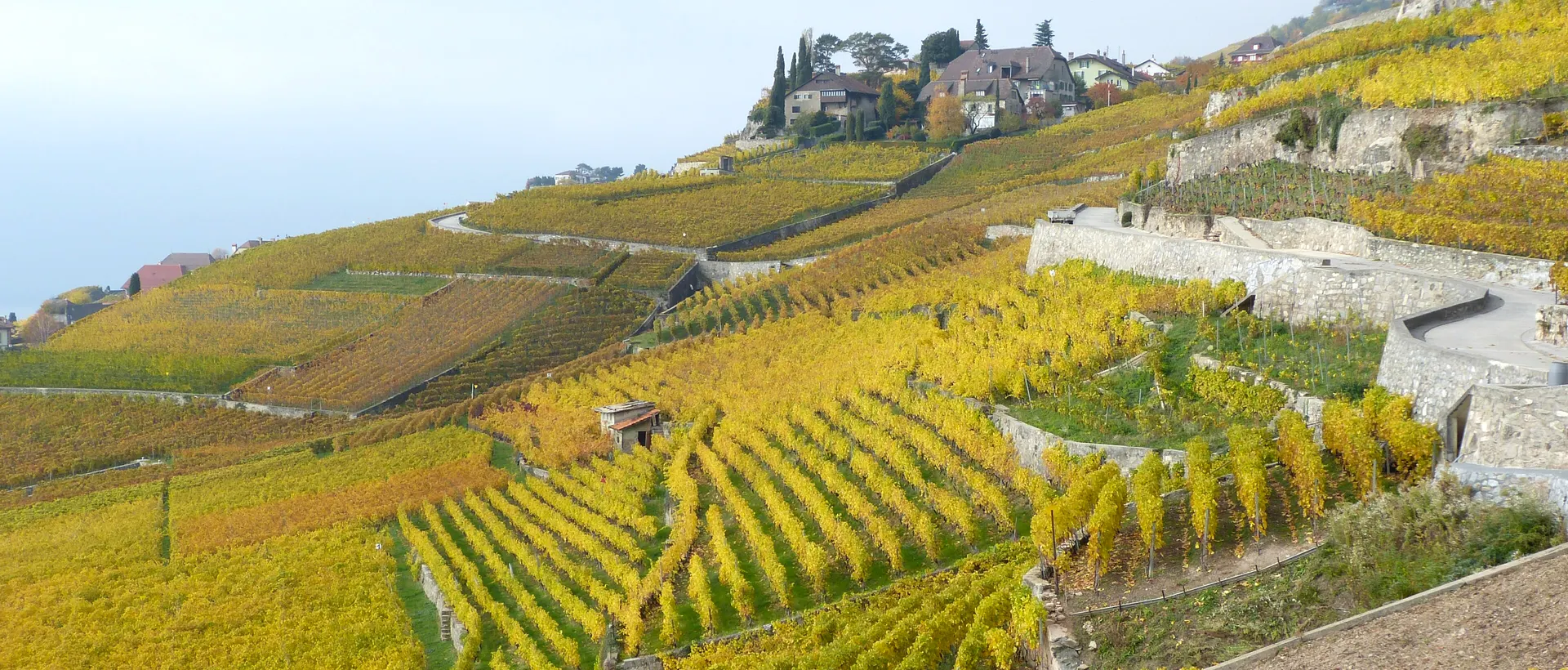
Lakes, forests and mountains are close to every major city. After work you can swim in a lake or hike a nearby hill. Families often say this is the real reward of the move.
Health care and schools
Health care is of high quality, and every resident takes out basic health insurance. Public schools are free, and international schools exist in several regions for children who need to continue a foreign curriculum.
A central location
From Switzerland, weekend trips to neighboring countries are easy. For couples with relatives in different places, this matters more than it first seems.
What can be hard
Daily costs
Switzerland is not a cheap country. Rent, health insurance, childcare and eating out all weigh on a budget. The guide to a comfortable income and the Zurich cost breakdown show you where the money goes, and the city comparison tool lets you set places side by side.
Housing
Finding a home takes preparation. Landlords usually ask for a complete file, and good flats go quickly in popular cities. Starting from abroad is possible, but it is easier when you know what documents to collect. The rental file check is a good place to begin.
Language and regions
Switzerland has several national languages, and the one you need depends on where you live. German is spoken in much of the country, French in the west and Italian in the south. English helps in international workplaces, but daily life, school and paperwork often use the local language. Read more about languages and regions.
Paperwork and rules
The system is precise. Most things have a form, a deadline and an office. Once you understand the order, it feels manageable, but a missed step can be annoying.
Social life takes time
Many newcomers say friendships form slowly at first. Clubs, school events, neighbors' gatherings and local traditions help. Our page on fitting in gives practical ideas.
A simple side-by-side look at three cities
Cities feel very different, so "Switzerland" is never one single experience. This table is a general impression, not a ranking.
If you want local detail, see our pages on relocation help in Zurich and relocation help in Lucerne.
Who it suits best
- Families with children, who value safe neighborhoods and good schools.
- Professionals with a job offer, because work is the main route to a permit for many people.
- Outdoor lovers, who want mountains and lakes close to home.
- Couples who like order and quiet, and accept a higher cost of living.
It can feel less comfortable for people who prefer a loose, late-night city life, or who need everything to be cheap and quick.
Who can actually move?
Being welcome in theory is one thing, and having the right to settle is another. There are two main regimes: citizens of EU/EFTA countries, and citizens of other countries, often called third states. The State Secretariat for Migration (SEM) describes both on its page about the admission of workers. Which one applies to you decides how much you need to prepare. Start with who can live in Switzerland, or try the permit finder.
The authorities decide on every permit. No website can promise an outcome, including this one.
What happens in the first weeks
Here is the usual order, so nothing feels like a surprise.
- Before you leave: sort out your permit route, collect documents and plan your housing search.
- On arrival: you register with your municipality. In many places this is due within 14 days, though it can vary by commune or canton, so confirm locally. The Swiss federal portal explains the general steps. Bring your ID, your residence or work permit and proof of health insurance.
- Health insurance: anyone living in Switzerland must take out basic health insurance no later than three months after taking up residence. If you meet that time limit, cover is backdated to your arrival date. The Federal Office of Public Health (FOPH) explains the rules.
- Bank, school, daily life: open an account, enroll children, and learn your local transport.
You can follow this in order with our moving calendar, and the page about banking from abroad covers money matters.
A short checklist before you decide
- Write down the three things you want most from life in Switzerland.
- Check which permit regime applies to you.
- Look at the cost of living in your preferred city.
- Decide which language region fits your family.
- Think about school options for each child.
- Plan a short visit to see the place in daily life.
If you want a longer plan, start here or read the full relocation guide.
Two fictional examples
Example: a couple from Toronto with a toddler. They want safety and a calm routine. They like the idea of a lake-side town, but worry about the cost of childcare. They plan their budget first, then choose a city.
Example: a family from Singapore with two school-age children. They already use English at work and want an international school. They focus on housing near the school and on a smooth first month.
If something about your situation is unclear, you can use the request form at the bottom of the page and a specialist will look at your case.
Frequently asked questions
Is Switzerland good for expats with children?
Yes, many families find it very good. Safety, schools and green space are the usual reasons. Costs, especially childcare, need planning.
Is Switzerland expensive for expats?
Generally yes, compared with many countries. Rent, insurance and services are major costs. Your own budget depends on city, family size and lifestyle.
Do I need to speak German, French or Italian?
Not always at first, especially in international workplaces. For daily life, school and paperwork, the local language helps a lot.
Can I live in Switzerland without a job offer?
It depends on your nationality and your situation. The rules differ between EU/EFTA citizens and citizens of other countries. A specialist can look at your case.
Is it hard to get a permit?
It depends on which regime applies to you. Citizens of third states face more conditions than EU/EFTA citizens. Authorities make the final decision.
What are the two permit regimes?
There is one for EU/EFTA citizens and one for citizens of other countries. The State Secretariat for Migration (SEM) describes both.
Is health care good?
Quality is high. Everyone living in Switzerland must have basic health insurance, and you choose an insurer yourself.
When must I take out health insurance?
No later than three months after you take up residence, according to the Federal Office of Public Health (FOPH). Meeting this time limit means cover is backdated to your arrival.
What happens if I am late with health insurance?
Cover then starts when you join, you may pay a surcharge, and the canton can assign an insurer for you. Check the details with the authority.
How soon must I register after arriving?
Many municipalities expect registration within 14 days. It can differ by commune, so confirm locally.
What do I bring when I register?
Usually your ID, your residence or work permit and proof of health insurance. Ask your municipality for its exact list.
Is it easy to find an apartment?
It takes preparation. Landlords usually want a full file, and popular cities are competitive. Start early.
Can I find housing from abroad?
It is possible, but harder. Many people book temporary housing first and search in person after arrival.
Do I need a car?
Often not. Public transport covers most towns well. Rural areas may be easier with a car.
Which city is best for expats?
It depends on language, job, budget and taste. Zurich, Geneva and Lucerne feel very different, so compare them before choosing.
Will I make friends easily?
It can take time. Clubs, school events and neighborhood life help. Be patient and take part in local traditions.
Is Switzerland safe?
It is widely seen as a very safe country, and many families value this highly. Normal common sense still applies.
Are there international schools?
Yes, in several regions, mainly around larger cities. Places and fees vary, so check early.
Will I pay taxes in Switzerland?
Residents are generally taxed, and the details depend on your canton and situation. A tax specialist can look at your case.
Is it a good place to retire or work remotely?
Some people do both, but permit rules depend on your nationality and plans. Check the conditions before you commit.
What is the best first step?
Decide which regime applies to you, set a realistic budget and pick a region. Then use the calendar to plan the next steps.