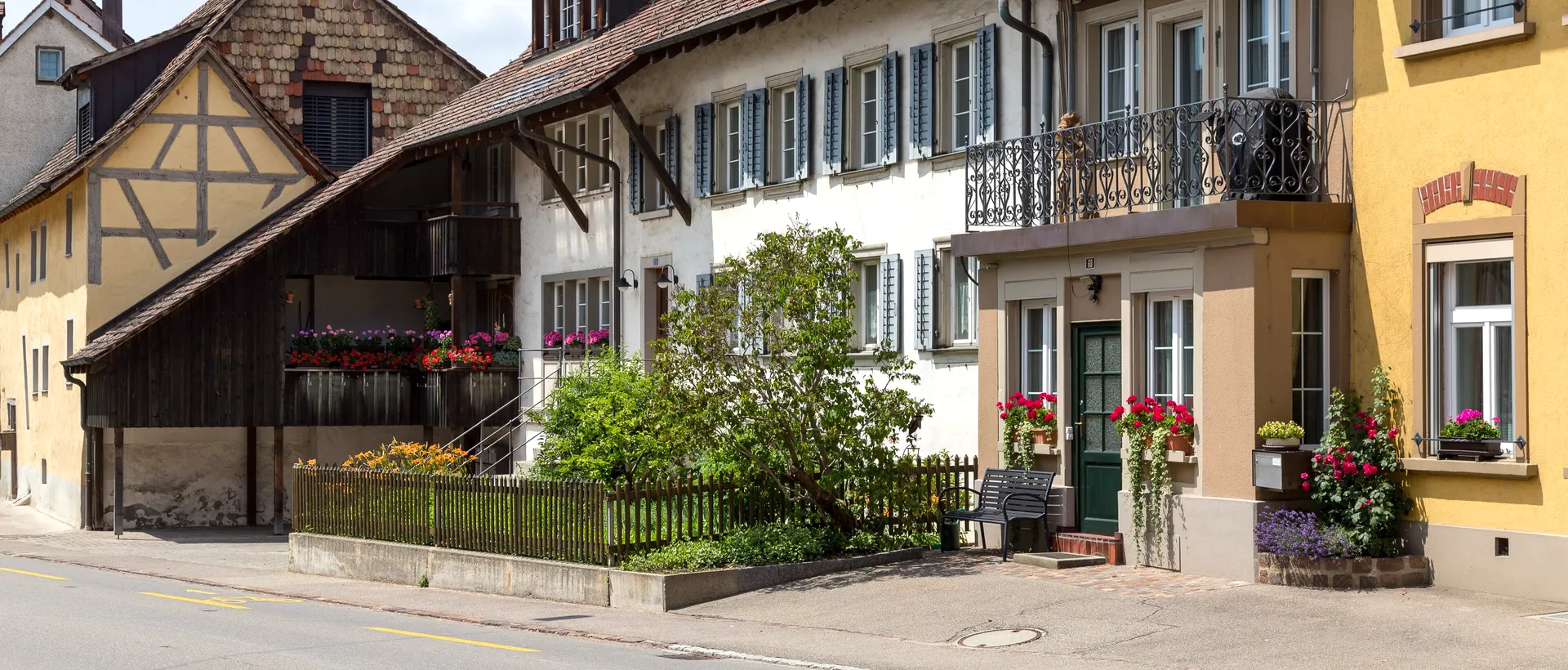
If you are preparing to move to Switzerland, you probably have questions about forms and permits. But many newcomers say the harder part is the small things: how to greet a neighbor, when to be on time, what to do with your rubbish. This page walks you through the Swiss culture etiquette that matters most for an expat, in the order you are likely to meet it.
Nobody expects you to be perfect. Swiss people notice effort, and a few good habits go a long way. You can learn most of them before you leave home.
The big idea: respect for shared space and shared time
Switzerland runs on a quiet agreement. Everyone shares buildings, streets, trains and public services, so everyone is expected to keep things orderly and predictable. Once you see this, many rules make sense.
- Time is shared. Being late is seen as taking something from other people.
- Space is shared. Noise, mess and blocked stairways affect everybody in the building.
- Privacy is respected. People are friendly but often reserved. Not asking personal questions early on is polite, not cold.
Example: a family of four arriving from Singapore is surprised that nobody says much in the elevator. Two weeks later a neighbor leaves a friendly note about the laundry schedule. That is how many Swiss relationships begin: practical, polite, then warmer over time.
Greetings and first impressions
Greet people. This is the single easiest habit to adopt.
- Say a short hello when you enter a small shop, a waiting room, a lift or a hiking path. A nod and a smile also work.
- A handshake is common in work and formal settings. Look at the person while you shake.
- Among friends, a kiss on the cheek is common in many regions, and the number of kisses depends on the region. Watch what others do and follow.
- Use the formal "you" (Sie in German, vous in French) with people you do not know, until they invite you to use the informal form.
- Say goodbye when you leave, to the shop assistant, the doctor's team, the other people in the lift.
Punctuality and planning
Arrive on time, or a few minutes early. If you will be late, send a message in advance. Trains and buses run to the minute, which is part of why people expect the same from each other.
Social life is also planned. Spontaneous visits are rare; people usually fix a date first. If you are invited for dinner, arrive on time, bring a small gift such as flowers or chocolate, and send a thank-you message afterward.
Neighbors, quiet hours and recycling
This is where newcomers most often feel lost. Rules differ by building and by municipality, so read your rental contract and the house rules (Hausordnung) carefully.
- Quiet hours usually cover nights, Sundays and public holidays. Hours vary, so check yours.
- Laundry rooms are often shared and booked by schedule.
- Rubbish often needs official bags or tags from your municipality, and sorting is expected: glass, paper, aluminum, PET bottles, organic waste.
- Stairways and shared spaces should be left clear and clean.
Our page on recycling, quiet hours and neighbors gives more detail. When in doubt, ask the neighbor or the property manager kindly. People appreciate a question much more than a mistake repeated.
Language: a country of several languages
Switzerland has several national languages, and which one you need depends on the region. German, French, Italian and Romansh are all used in different parts. Many Swiss German speakers speak a local dialect day to day but write standard German, and they will often switch to standard German or English for you.
You do not need to be fluent on day one. Still, learning basic phrases in the local language is one of the strongest signs of respect, and it speeds up friendships, school life and work. Our guide to the cantons helps you see which language is used where.
Work and school culture
At work, expect direct, polite communication, clear agreements and respect for working hours. Meetings start on time, decisions often take consensus, and people usually keep private life separate from work.
For children, school culture also values independence and punctuality. Many young children walk or take public transport to school with their classmates, and parents usually keep a respectful distance from teachers. If you are exploring schooling, see public school for international children.
Official duties are part of the culture
Dealing with administration is part of fitting in. Rules and details change by canton and municipality, so confirm with the local office.
- After you arrive, you usually need to register with your municipality. According to the information we have, this is typically within 14 days, and you bring ID, your residence or work permit and proof of health insurance. It can vary by municipality, so check locally (source: ch.ch).
- Health insurance is compulsory for people living in Switzerland. It must generally be arranged within three months of taking up residence (source: Federal Office of Public Health (FOPH)).
- Two admission systems exist, one for EU/EFTA citizens and one for citizens of other countries (source: State Secretariat for Migration (SEM)). The authorities, not this site, decide on permits.
If you are not sure what applies to you, a specialist can look at your case through the request at the bottom of the page.
Where you come from changes what surprises you
Different starting points mean different surprises. If you come from Japan, you will likely find punctuality and quietness familiar; see from Japan. If you come from Singapore, the order will feel familiar but the openness of space may not. People coming from Hong Kong or South Korea often notice how quiet Sundays are and how calm public transport feels. For a wider view of everyday life, read what daily life in Switzerland feels like.
Swiss habits at a glance
The table below sums up the unwritten rules most expats ask about.
A simple plan before you move
| Step | What to do |
|---|---|
| Before leaving | Learn basic phrases in the local language |
| Before leaving | Read about your canton and its language |
| On arrival | Greet neighbors and read the house rules |
| First weeks | Register with the municipality and sort rubbish correctly |
| First months | Join a club, a parents' group or a language class |
Associations (Vereine) are a classic way to make friends. Sports, music, hiking and parents' groups are all common ways in. Showing up regularly matters more than being outgoing.
Frequently asked questions
Are Swiss people really unfriendly?
No. They are often reserved at first and value privacy. Once a relationship starts, people are loyal and helpful. A greeting and a little patience open many doors.
Do I have to speak the local language?
You do not need fluency to start, and many people speak English. But learning the local language is strongly recommended. It helps with work, school, neighbors and friendships.
Is it rude to be five minutes late?
Yes, in most situations. Send a message if you will be late. Arriving a few minutes early is a safe habit for appointments, work and dinners.
Should I shake hands or kiss on the cheek?
Handshakes are the safe choice in formal or new situations. Cheek kisses are common among friends in many regions. Watch others and follow their lead.
What does "Grüezi" mean?
It is a common German-speaking greeting, roughly "hello". In French-speaking areas you say "bonjour", and in Italian-speaking areas "buongiorno". Use the local one.
Can I use first names?
Often at work and among younger people, yes. When you first meet someone, use the formal form of "you" until they offer the informal one.
What should I bring when invited to dinner?
A small gift like flowers, chocolate or wine is welcome. Arrive on time and send a thank-you message the next day.
Are there rules about noise?
Yes. Buildings and municipalities have quiet hours, often covering nights, Sundays and public holidays. Check your house rules to know yours.
Can I do laundry whenever I want?
Not always. Shared laundry rooms usually have a booking system. Your rental contract or house rules explain it. See recycling, quiet hours and neighbors.
How does rubbish collection work?
It depends on the municipality. Many places ask you to use official bags or tags and to sort glass, paper, metal, plastic bottles and organic waste. Ask the property manager or the municipality.
Do I need to say hello to strangers?
In small shops, waiting rooms, lifts and hiking paths, yes. A short greeting is considered normal and polite.
Are shops open on Sundays?
Most are closed or have limited hours, depending on the canton. Plan your shopping ahead and enjoy the quiet day.
Is it okay to hang laundry on the balcony?
It depends on the house rules. Some buildings restrict it. Read your rental contract or ask the property manager.
What should I do when I arrive?
Register with your municipality, which is typically within 14 days according to ch.ch, though it may vary by municipality. Bring ID, your permit and proof of health insurance.
When must I have health insurance?
Basic health insurance is compulsory. You generally need to arrange it within three months of taking up residence, according to the Federal Office of Public Health (FOPH).
Is the permit system the same for everyone?
No. There are two regimes: one for EU/EFTA citizens and one for citizens of other countries, as explained by the State Secretariat for Migration (SEM). Authorities decide each case.
Is Switzerland good for children?
Many families value the safety, independence of children and school system. Customs differ by canton, so look at public school for international children.
How do I make friends?
Join a club, a sports group, a parents' group or a language course. Regular attendance matters most. Friendships can take time but are lasting.
Is it rude to ask about money or work?
Questions about salary and personal wealth are usually avoided in casual conversation. Questions about hobbies, family and the region are safer.
Do Swiss people like small talk?
Some, but less than in many countries. Weather, travel, hobbies and the region are safe topics. Keep it light and respectful.
Is tipping expected?
Service is normally included in prices. Rounding up or leaving a small amount for good service is a kind gesture, not an obligation.
What if I make a mistake?
Apologize simply and fix it. Most people are understanding with newcomers who try. Asking in advance is always welcome.
How different is it by region?
Quite different. Language, customs and pace vary across cantons. Use the cantons guide to see what changes.
Can I bring my car or other items?
You can often bring them, but rules apply. See bringing your car to Switzerland and plan ahead.
Will I be taxed differently?
Tax rules differ and depend on your situation. Read about your first Swiss tax return, and ask a specialist to look at your case.
Who can help me settle in?
A specialist from our network can look at your situation. You can use the request at the bottom of the page, or see tell us about your move.