If you are planning a move from London, Chicago, Mumbai or Singapore, one of the first surprises is that "Swiss" is not a language. The country has several national languages, and which one you hear on the tram, at the school gate or at the town hall depends on where you settle. This guide walks you through the map step by step, so you can picture daily life before you pack a single box.
The short version: a country with several national languages
Switzerland recognizes German, French, Italian and Romansh as national languages. German is the most widespread, French comes next, Italian is concentrated in the south, and Romansh is a small regional language in one mountain canton.
Each canton decides its own official language or languages. Some are monolingual, a few are bilingual, and one is trilingual. That choice shapes the language of local administration, public schools and official letters.
Here is a simple picture of a few well-known cantons:
German-speaking Switzerland: the largest area
Zurich, Basel, Bern (for the most part), Lucerne and Zug all work mainly in German. Here comes the detail that surprises newcomers: people speak Swiss German dialects in daily life, but write in standard German. A shop assistant may chat in dialect, while the lease, the school newsletter and the municipal letter arrive in standard German.
Many people in business, tech, finance and universities speak good English, so settling in is often easier than expected. Still, the neighbors, the sports club and the parents' group tend to run in German or dialect. Our guide to learning the local language explains how newcomers usually approach it.
Example: a couple arriving from Toronto with a toddler might find that the nursery staff speak English, while the form to register the child is in German.
French-speaking Switzerland: the western arc
Geneva, Vaud (Lausanne), Neuchâtel and Jura use French. Geneva is very international, with many English-speaking residents and organizations, which makes the first weeks gentle for newcomers from abroad. Local paperwork, however, is in French.
The French-speaking part is sometimes called Romandie. Daily rhythm, shopping hours and food culture feel a little closer to France than to the German-speaking areas, although the Swiss rules for permits, health cover and tenancy remain Swiss.
Italian-speaking Switzerland: Ticino and the southern valleys
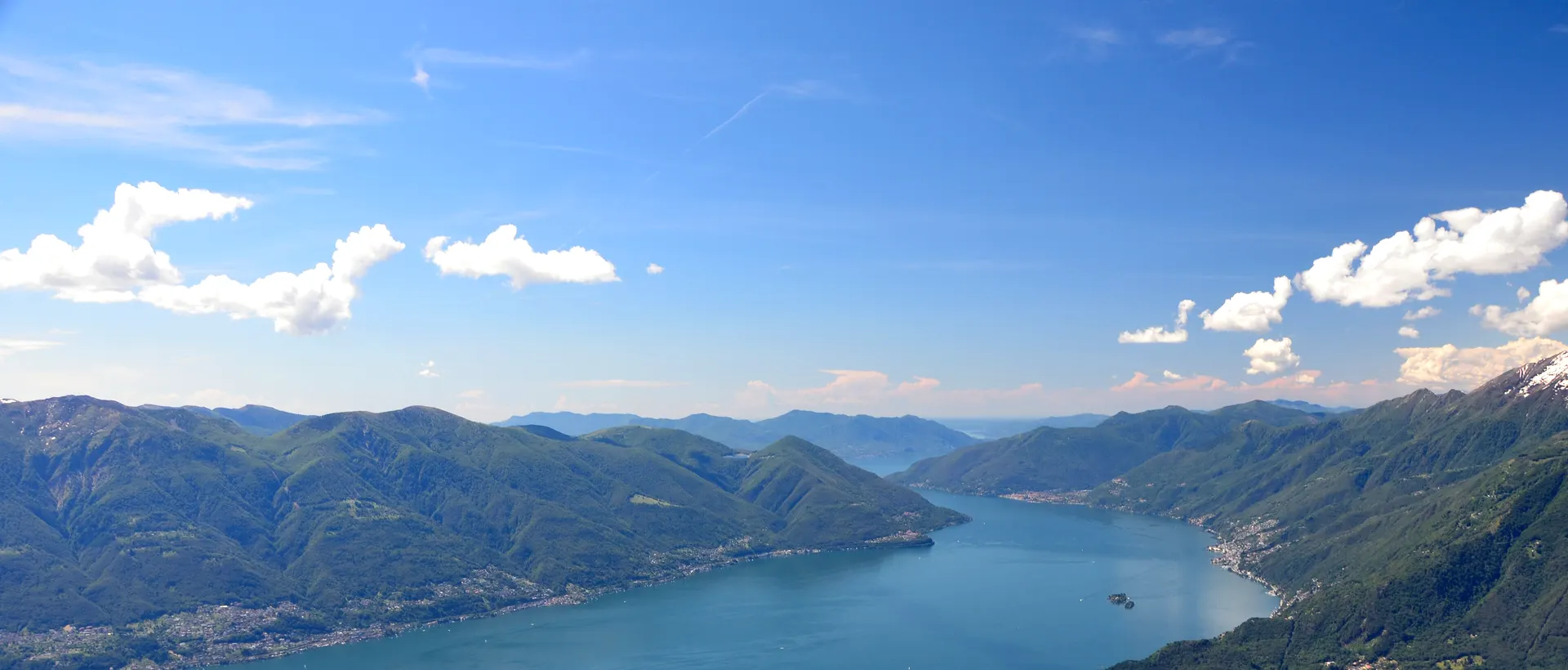
Ticino is the Italian-speaking canton, with Lugano, Bellinzona and Locarno as its main towns. Parts of Graubünden also speak Italian in their southern valleys. The atmosphere is Mediterranean, with lake views and a strong café culture. English is understood in tourism and business, but Italian carries daily life.
Romansh: a small language with a real home
Romansh is spoken in parts of Graubünden. Most visitors never need it, and almost all Romansh speakers also speak German. It matters mainly as part of the country's identity, and some local signs and schools use it.
Bilingual and border areas
Several cantons sit on the language line. Bern, Fribourg and Valais are bilingual, and some towns inside them switch language from one neighborhood to the next. The city of Fribourg is a good example: French and German live side by side, and the local university and schools reflect that.
Bilingual areas can suit families who want children to pick up two languages. They can also mean that the language of the school depends on the exact municipality, so it is worth checking early.
How the language area affects your move
Language is not only about chatting. It touches the practical steps of arriving:
- Municipal registration. After arrival, residents report to the municipality. The usual deadline quoted is 14 days, though it can vary by municipality (ch.ch). Forms and counters work in the local language.
- Health insurance. Basic health insurance is compulsory within three months of taking up residence (FOPH). Letters and policy documents come in the language of your canton.
- Housing. Listings, viewings and rental contracts are written in the local language. A complete file helps wherever you land, and the rental file check is a quick way to prepare.
- Schools. Public schools teach in the local language. Children from abroad are usually taught the language as they go, and some families prefer an international school. The school choice tool helps you think through the options.
- Everyday admin. Bank letters, tax notices and utility bills follow the canton's language, not your own.
For a deeper look at why cantons matter, see the cantons guide.
Choosing a region when you speak little German or French
Think of it as a few simple questions:
- Which language do you already speak, or would you most like to learn?
- Will an employer or an international school offer an English-speaking environment nearby?
- Do you want a city feel or a smaller town?
You can place cities side by side with the city comparator. Newcomers from Asia, the Gulf or North America often start in a large international city and add the local language over time. If you are leaning toward Zurich, relocation help in Zurich gives a flavor of what the first weeks look like.
Preparing at home before you leave
A few steps are easy to start from abroad:
- Decide which language area suits your household
- Look at free apps or an evening class for the local language
- Check which language the school or nursery works in
- Gather documents in English and ask which ones need a translation
- Place the move in a month-by-month plan, such as the sample timeline
A specialist can look at your own situation once you send the request at the bottom of the page. Authorities decide on permits, so the language area never changes a decision on its own.
Frequently asked questions
What languages are spoken in Switzerland by region?
German dominates the north, center and east, French the west, Italian the south, and Romansh a small area in Graubünden. Border cantons mix two languages.
Is there a Swiss language?
No. "Swiss German" refers to a family of spoken dialects. Written German in Switzerland is standard German with some local spelling and words.
Which language is spoken in Zurich?
Mostly Swiss German in speech and standard German in writing. English is common in business and at the airport.
Which language is spoken in Geneva?
French is the official language. Geneva is also very international, so English is heard often.
Can I live in Switzerland speaking only English?
For a while, yes, particularly in international cities. Official letters, school contact and neighbors still lean on the local language, so most people start learning.
Is Swiss German hard for English speakers?
The dialects sound quite different from textbook German. Many newcomers learn standard German first and pick up the dialect by listening.
Do I need German to live in a German-speaking canton?
Not on day one. Over time, German helps with friends, clubs and local services.
Which region is easiest for English speakers?
Large cities such as Zurich, Geneva and Basel have many English speakers. Comfort varies from person to person.
Which language is spoken in Bern?
Bern is in a German-speaking area, with a bilingual canton around it. Federal institutions use several languages.
Is Ticino fully Italian-speaking?
Yes, Italian is the official language. German and English are heard in tourism and business.
What is Romansh?
A Romance language spoken in parts of Graubünden. It is a national language, but nearly everyone who speaks it also speaks German.
Which cantons are bilingual?
Bern, Fribourg and Valais use two languages, and Graubünden uses three. Details depend on the district.
Will the town hall speak English?
Sometimes in larger places, but forms and counters work in the local language. Bringing a translation or a bilingual friend helps.
What language is the lease in?
In the canton's language. Documents in a different language need translation or help before signing.
What language will my child learn at school?
The local language of the municipality. Children from abroad usually get support, and international schools are an alternative.
Can children switch language areas easily?
Younger children often adapt quickly. The effect varies by age and school, so it helps to ask the school early.
When does health insurance need to be arranged?
Basic health insurance is compulsory within three months of taking up residence in Switzerland (FOPH). Policy letters are written in the local language.
How soon is the municipality told of an arrival?
Registration with the municipality is generally due within 14 days, though it can vary by municipality (ch.ch). The counter works in the local language.
Do EU and non-EU citizens face different language rules?
No language test applies by default to admission, but the regime for EU/EFTA and third-country nationals differs. The permit finder gives a first idea.
Should my family choose a region by language?
Language is one factor among work, housing and schools. Many families weigh all of them together.
How do neighbors expect you to speak?
In German-speaking areas, a polite greeting in German or dialect goes a long way. See recycling, quiet hours and neighbors for everyday etiquette.
How long does it take to learn the language?
It varies a lot from person to person. Regular classes and daily contact help most.
Does the airport language match the region?
Signs are usually multilingual, with English included.
Where can I ask about my own case?
Send the request at the bottom of the page, and a specialist will look at your situation. The page Tell us about your move explains what happens next.