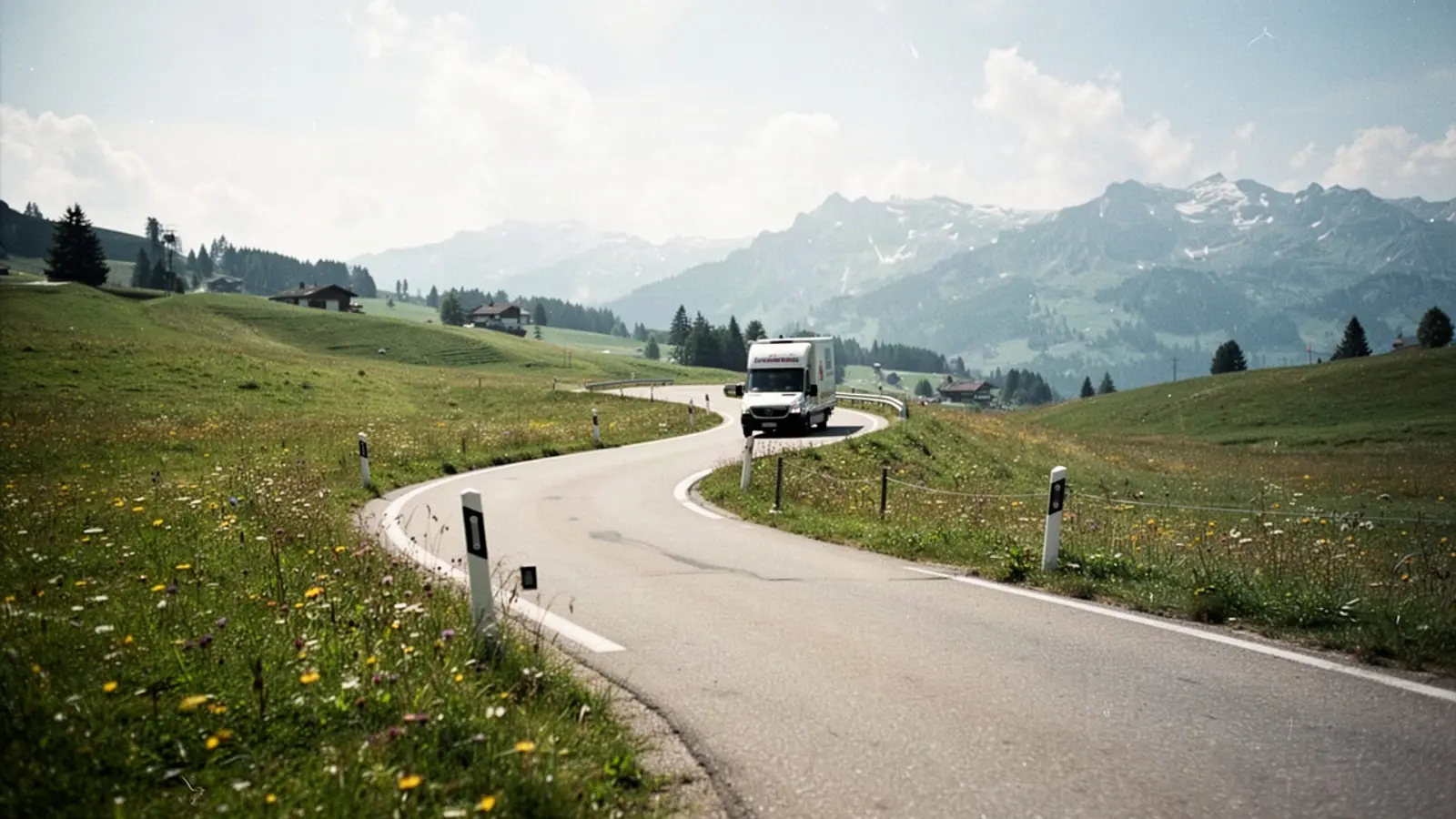
A relocation timeline for Switzerland is mostly a question of order. Some steps can only start once you have a permit, others only after you have an address, and a few have a clock that starts the day you arrive. Knowing which is which keeps the move calm, whether you are coming from London, Chicago, Mumbai, Toronto, Sydney or Singapore.
This page walks through the move in phases, from the first decision to the first months in your new home. Every household is different, so treat it as a map and not as a schedule carved in stone. For a calendar built around your own date, try the relocation calendar tool.
Phase 1: decide where, and which route applies
Before any paperwork, two questions shape everything: where in Switzerland, and under which rules you will be admitted. Switzerland has two main regimes. Citizens of EU and EFTA countries come under the free movement agreement, while nationals of other countries (the UK, the US, India, Canada, Australia and so on) come under the rules for third countries, as the State Secretariat for Migration (SEM) explains on its admission page.
The detailed conditions, such as qualifications or priority for workers already in the country, depend on the case and are set by the authorities. The permit finder gives a first orientation, and a specialist can look at the details once you send a request.
In this phase, many people also choose a canton and a city. Language, commute, schools and rent levels all differ a lot between regions. The city comparator helps you narrow down the options without having been there.
Phase 2: prepare from your home country
This is the quiet stretch, and it is where good preparation pays off most. Typical tasks:
- Gather civil documents: passports, birth and marriage certificates, school reports for children.
- Ask which documents need an official translation or an apostille, since requirements vary by authority.
- Collect employment documents, such as a contract or an offer letter, if a job is behind the move.
- Request a statement of your driving history and insurance record from home.
- Start a rental file: ID copies, proof of income and a short cover letter. The rental file check shows what landlords usually expect.
- For children, look at school types and language of instruction with the school choice tool.
Example: a couple from Manchester with a six-year-old daughter starts by ordering certified copies of their documents and asking her school for a transcript. Nothing is urgent yet, but each of these items can take a while to arrive.
Phase 3: the final stretch before departure
Once the permit route is clear and a home is in sight, the practical work speeds up. Typical steps in this phase:
- Sign the lease or purchase documents and agree on a handover date.
- Book the movers, or decide what goes in suitcases and what is sold or stored.
- Close or pause subscriptions, utilities and local registrations in your home country.
- Check how your home country treats your departure for tax and pension purposes.
- Arrange for pets, if any, with the vet and the border rules in mind.
On shipping, the customs authority (FOCBS) distinguishes goods that were used abroad for at least six months, and it says relocation goods can be brought in without problems within two years of the move. Details are on its removal goods page. Keep an itemized list with dates of purchase, because customs may ask for it.
If you plan to bring a car, the same six-month logic about prior use abroad applies to vehicles, according to FOCBS. Check the current rules before you ship anything.
Phase 4: arrival
The first day is about getting a roof, a phone connection and some rest. The first official step comes soon after. According to ch.ch, arrivals report to their municipality within 14 days. Practices can differ by municipality or canton, so the local office has the last word. At the counter, people usually bring:
- a valid ID or passport,
- the residence or work permit, where one applies,
- proof of health insurance,
- the lease or a confirmation from the landlord.
Some municipalities ask for an appointment, others take walk-ins. The glossary explains local terms such as Gemeinde, the municipality you register with.
Phase 5: settling in during the first months
Health insurance
Basic health insurance is compulsory for anyone living in Switzerland. The Federal Office of Public Health (FOPH) states that it must be taken out within three months of taking up residence. If the deadline is met, cover is retroactive to the date of arrival and premiums are due from then. If the deadline is missed, cover starts at enrollment, a surcharge can apply for an unexcused delay, and the canton may assign an insurer. See the FOPH page.
Bank account, phone and transport
A local bank account makes rent, salary and bills simpler. Banks have their own identification rules, and some are slower with newcomers from certain countries, so starting early helps. Transport passes and a local phone plan are easy wins in the first days.
School and childcare
School places are organized by the municipality or the canton. If you are moving mid-year, ask the local office what is available. Children usually settle faster than adults expect, but language support differs by place.
Family members
For nationals of third countries, family reunification follows its own deadlines, which run from the sponsor's residence permit. SEM lists five years, and a shorter limit of 12 months for children over 12. Questions about a specific family go to a specialist.
Phase 6: later in the first year
Some tasks are not urgent on arrival but have a limit.
- Driving licence: a foreign licence can generally be used for a limited period before it must be exchanged. The Canton of Zurich says exchange is possible within 12 months of taking up residence, with the application made at the latest one month before that period ends. Other cantons may differ, so check the local road office.
- Taxes: the system depends on your permit type and canton. A general overview helps, and an adviser can review your own case.
- Pension and savings: think about what happens to accounts back home.
- Integration: language lessons and local clubs make a big difference for partners and children.
Example: a family from Singapore arrives in summer, registers promptly, signs up for health insurance in the first weeks, enrolls the children in the neighborhood school, and leaves the licence exchange for later in the year.
A simple preparation checklist
- Choose a region and clarify the permit route
- Gather and translate key documents
- Start the rental file
- Book movers and plan the customs paperwork
- Prepare the municipality registration papers
- Organize basic health insurance
- Plan the school or childcare start
- Note the driving licence deadline
For more help with the paperwork on arrival, read about how the process works, or see the guides for professionals moving alone and for people with a Swiss job offer. When you are ready, the request at the bottom of the page lets a specialist look at your timeline. You can also start with the request form.
Frequently asked questions
How long does a typical relocation to Switzerland take?
It varies a lot with permit type, housing and family situation. Planning usually starts well before departure, and settling in continues for months after arrival.
What comes first: the permit or the apartment?
It depends on the route. Some people sign a lease first, others wait for the permit decision. The authorities decide on permits, so nothing is assured in advance.
Do EU citizens follow a different timeline?
Yes. EU and EFTA citizens come under the free movement agreement, while others follow the third-country rules. The steps after arrival are similar.
When do I register with the municipality?
According to ch.ch, within 14 days of arrival. Local practice can vary, so the municipality confirms the details.
What do I bring to the registration?
Typically an ID or passport, the permit where applicable, proof of health insurance and the lease. Your municipality publishes its own list.
How soon is health insurance needed?
Basic insurance is compulsory within three months of taking up residence, according to the FOPH. Cover is retroactive if the deadline is met.
What happens if the insurance deadline is missed?
Cover starts at enrollment, a surcharge can apply, and the canton may assign an insurer. The FOPH page describes the rules.
Can I use my foreign driving licence?
For a limited time. The Canton of Zurich mentions 12 months from taking up residence, with the exchange application at the latest one month before the end of that period.
Is a driving test needed to exchange a licence?
That depends on the country that issued it and on the canton. The local road office can say.
How do I ship my belongings?
Customs (FOCBS) has a special regime for relocation goods that were used abroad. Goods used for at least six months are the usual starting point.
How long can I import relocation goods?
FOCBS says within two years of the move is fine. A list of items helps at the border.
Can I bring my car?
Possibly, with rules on prior use abroad of at least six months. Check current customs and registration rules first.
What about my pets?
Pets have their own entry rules, including identification and health papers. Ask a vet in your home country early.
When should children start school?
Schools are run by municipalities and cantons. Contact the local school office once you have an address, and see the school choice tool.
Can my family join me later?
For third-country nationals, reunification has deadlines that run from the sponsor's residence permit: five years, and 12 months for children over 12, according to SEM.
Do I need a bank account before arriving?
Not always, but opening one soon after arrival is common. Some banks offer help from abroad.
Is it better to arrive before the family?
Some people go ahead to find housing and settle the paperwork. Others move together. Both patterns are common.
Does the timeline change for a corporate transfer?
Often yes, since the employer may handle permit applications. See the guide for people with a Swiss job offer.
Is retirement different?
The route and the documents differ. The retiree page covers it.
What is a relocation agency for?
It helps with practical steps such as housing search or registration. This site connects you with a company that fits your needs, depending on your request.
Where do I start?
Send the request at the bottom of the page, or browse the frequently asked questions for quick answers.
Sources
- Federal Office of Public Health (FOPH), compulsory health insurance
- State Secretariat for Migration (SEM), admission of non-EU/EFTA nationals
- ch.ch, the Swiss authorities' portal
- Canton of Zurich, exchanging a foreign driving licence
- Federal Office for Customs and Border Security (FOCBS), removal goods