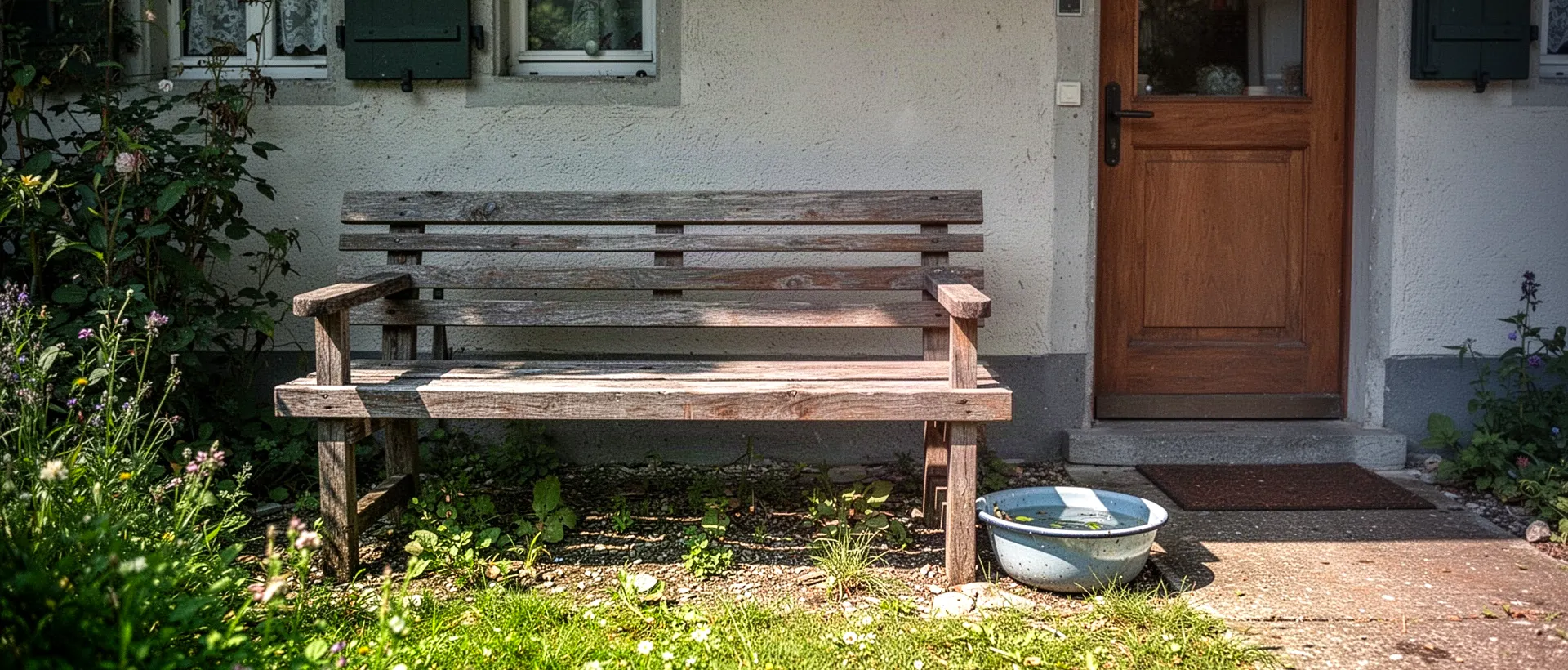
For many families, the pet is the first thing they ask about. Will the dog be allowed in? Will the cat cope with the journey? The good news is that the basic rules to bring a dog to Switzerland are clear, and most of the work happens before you leave home.
This page walks you through the process in the order it usually unfolds: what your animal needs, what happens at the border, and what to sort out once you arrive. It covers dogs, cats and ferrets. It explains general rules only. Which extra requirements apply to your animal depends on the country you are leaving, so always check the official tool described below.
The short version
A dog, cat or ferret that comes to Switzerland needs three things:
- An electronic microchip that follows the international standard (ISO 11784/11785, either HDX or FDX-B type).
- A valid rabies vaccination.
- A passport or health document that Switzerland recognizes.
On top of that, you declare the animal to customs when you cross the border. That is the part that surprises most newcomers, so we come back to it in detail below.
Why moving with a pet is different from sending boxes
When you move house, your furniture travels as removal goods. Under the Swiss rules, a pet that comes with your move is also treated as part of your removal goods, but it has to be declared to customs on the day you cross, and it is then checked by a veterinarian. Your animal is not a suitcase, so it does not wait in a warehouse. It travels with you or very close to you.
If you are also shipping furniture and boxes, read shipping your belongings separately. The customs steps for goods and for animals are different, even when they happen on the same day.
Step by step: from home to the Swiss border
Here is the path most people follow. Your starting country may add steps, which is why the first step is to check the official rules for your route.
Step 1: check the official rules for your route
The Federal Food Safety and Veterinary Office (FSVO) runs an online travel check for dogs and cats (in German, "Reise-Check Hunde/Katzen"). You enter where you are coming from, and it tells you what applies. This matters because the requirements can differ depending on your country of origin. A family leaving the United Kingdom may face different steps than a family leaving Singapore, India or Japan.
Do this first. It tells you which of the next steps you may need to start early, and it tells you what your veterinarian needs to complete.
Step 2: the microchip
Your animal needs an electronic chip under the ISO 11784/11785 standard. Both HDX and FDX-B types are accepted. Ask your veterinarian to confirm the chip is readable with a standard scanner. If your pet already has an older or unusual chip, ask what to do before you travel, not at the border.
Step 3: the rabies vaccine
The rabies vaccine must be valid when you cross. Your veterinarian records it in the passport or health document. Because the vaccine and the chip are checked together, the order matters: the chip should be in place so the vaccination is linked to the right animal.
Step 4: the passport or health document
Switzerland accepts a recognized passport. If you come from outside Europe, the document is usually a health certificate issued under the rules of your departure country. Ask your veterinarian which version is accepted for your route, and check it against the official tool from Step 1.
Step 5: plan the journey
Whether you fly, drive or take the train, plan the trip around your animal. Book early, because airlines and carriers limit the number of animals on a flight. Get a crate that is the right size, let your pet practice with it at home, and ask your veterinarian about stress and travel comfort.
For drivers, one rule is worth knowing: no more than five animals may travel in one private vehicle. A family with a single dog or a pair of cats is nowhere near that limit, but breeders and people with several animals should keep it in mind.
What happens at the border
On the day you cross, you declare the animal to customs. The Federal Office for Customs and Border Security (FOCBS) explains the procedure. Because you are moving, the animal counts as part of your removal goods, and you report it as such.
After you declare it, a veterinary check takes place. The vet verifies the chip and the vaccination, and the animal is entered in the national database, AMICUS. Keep your passport and papers in one folder that you can reach easily, not at the bottom of a suitcase.
If you plan to arrive by car, our page on bringing your car to Switzerland explains the customs side for the vehicle. Many families deal with both on the same day.
Dogs with cropped ears or tails
Importing dogs with cropped ears or docked tails is prohibited. This is one of the few absolute rules. If your dog was cropped or docked in the past, ask your veterinarian and the official authorities well before you plan your move, because the rule applies at the border.
Dog, cat or ferret: what is different?
| Topic | Dog | Cat | Ferret |
|---|---|---|---|
| Microchip (ISO standard) | Required | Required | Required |
| Valid rabies vaccine | Required | Required | Required |
| Recognized passport | Required | Required | Required |
| Cropped ears or tail ban | Applies | Not usually relevant | Not usually relevant |
| Official travel check tool | Yes | Yes | Check the FSVO page |
Ferrets follow the same basic logic as dogs and cats. Their official page is the FSVO page on travelling with dogs, cats and ferrets, so use it rather than guessing.
Who is moving? EU/EFTA and non-EU families
The animal rules are about your pet, not about your passport. But your own admission is a separate question, and it affects your timing. Switzerland has two regimes: nationals of EU/EFTA countries, who come under the free movement agreement, and nationals of non-EU countries (third states). Details are on the page of the State Secretariat for Migration (SEM).
Why does this matter for your pet? Because you should not buy tickets or book a pet carrier until you know when you can actually move. If you are waiting for a permit decision, keep your pet's vaccine and travel paperwork flexible, and ask your veterinarian which dates are important. For help with the sequence, see Which permit do I need? and your relocation calendar.
Employees moved by their company can read what to do after a Swiss job offer for the full order of steps.
Finding a home that welcomes your pet
Pets and housing are connected in Switzerland. A tenant usually needs the landlord's agreement to keep certain animals, and many rental contracts mention pets. Raise the subject early in your search and put it in writing if you can, so there are no surprises on moving day.
Some practical points:
- Mention your pet in your application and ask whether pets are allowed, before you pay any fee.
- Read the house rules about noise and shared spaces. Our page on recycling, quiet hours and neighbours explains the everyday rules in a Swiss building.
- Check the lease clauses about animals in your Swiss lease.
- If you need somewhere to stay while you search, see furnished and temporary housing. Ask directly whether pets are accepted, because policies vary a lot.
For the search itself, renting your first home and how to rent an apartment when you are new here cover the whole process.
After you arrive
Once you are in Switzerland, your own paperwork comes first. You announce your arrival to the municipality (Gemeinde), usually within 14 days, as explained on the ch.ch portal. The deadline can vary by municipality or canton, so check yours. Bring your ID, your residence or work permit and proof of health insurance.
While you are there, ask the municipality about local pet rules:
- Whether dogs must be registered and whether a dog tax applies.
- Whether there are leash rules in parks and forests.
- How to find a local veterinarian.
These rules are set locally, which is why a quick question to your municipality is more useful than a general answer. A specialist can look at your case if you want help with the whole move: the request form at the bottom of the page lets you describe your situation.
A checklist for pet owners
- Check the official FSVO travel check for your route
- Confirm that your pet's microchip follows the ISO standard
- Ask your veterinarian to check the rabies vaccine record
- Obtain the passport or health document that is accepted
- Confirm that your dog is not cropped or docked
- Choose a travel method and book a space for your pet
- Prepare a crate and practice with it at home
- Put all pet papers in one folder you can reach
- Plan where you will declare your animal to customs
- Ask each landlord whether pets are welcome
- Find a local veterinarian near your new home
You can also build your own list with the personal checklist tool.
Two short examples
These examples are made up to show how the steps fit together.
Example: a couple from Singapore with a cat. They begin by running the official travel check for their route. They book the veterinarian visit for the chip and vaccine record, then keep the papers in a travel folder. They ask the landlord about the cat before they sign the lease.
Example: a family from Canada with a dog and two children. They check the dog is not cropped or docked, confirm the chip, and decide to drive from a nearby airport so the dog is not separated from them. At the border, they declare the dog with the removal goods and wait for the veterinary check.
For more on the experience of moving from a specific country, see our pages for people coming from Japan, from Singapore and from Hong Kong.
Common mistakes
- Starting too late, so the paperwork and the travel dates do not line up.
- Assuming the rules are the same for every departure country.
- Forgetting to declare the animal to customs on the day you cross.
- Leaving the passport in checked luggage.
- Signing a lease before asking about pets.
- Assuming a friend's experience applies to your route, when rules depend on where you come from.
Some of these are also covered in seven things people get wrong about moving to Switzerland.
Frequently asked questions
Can I bring my dog to Switzerland when I move?
Yes, in general. Your dog needs an ISO microchip, a valid rabies vaccine and a recognized passport or health document. You also declare the dog to customs when you cross the border.
What are the rules to bring a dog to Switzerland?
The core rules are the microchip, the rabies vaccine and the passport. In addition, dogs with cropped ears or tails cannot be imported, and the animal is declared to customs and checked by a veterinarian.
Do cats and ferrets follow the same rules?
Broadly, yes. The FSVO publishes the official rules for dogs, cats and ferrets together. The travel check tool is built for dogs and cats, so for a ferret read the FSVO page directly.
Which microchip does my pet need?
A chip that follows ISO 11784/11785, either the HDX or the FDX-B type. Ask your veterinarian to confirm that it can be read with a standard scanner.
Do I need a rabies vaccine?
Yes, a valid rabies vaccine is required. Your veterinarian records it in the passport or document. Whether anything else is needed depends on the country you are leaving.
Are the rules the same for every country I could come from?
No. The basic requirements are the same, but extra conditions can depend on the departure country. Use the FSVO travel check for your exact route.
Where can I check the rules for my route?
Use the FSVO online travel check for dogs and cats. It is called "Reise-Check Hunde/Katzen" in German. Your veterinarian can help you read the result.
Can I bring a dog with cropped ears or a docked tail?
No. Importing dogs with cropped ears or docked tails is prohibited. Ask the authorities before you plan the move if this might apply to your dog.
How many animals can I bring in one car?
No more than five animals per private vehicle. That limit matters mainly for breeders and for people with many animals.
Do I have to declare my pet at customs?
Yes. When you move, the animal is treated as part of your removal goods and must be reported to customs on the day you cross. A veterinary check follows.
What happens at the veterinary check?
The vet checks the chip and the vaccine. The animal is then recorded in the national database, AMICUS.
What is AMICUS?
It is the Swiss database where animals are registered. In the import process, the veterinary check ends with registration there.
Can my pet fly with me?
Often yes, but each carrier has its own limits and conditions. Book early and ask the carrier about crates, space and conditions.
Should I travel by car or by plane with my dog?
It depends on your route and on your animal. Many families prefer the car for the last part of the trip. Ask your veterinarian which option suits your animal's health and temperament.
Can I book my pet's travel before I know my permit date?
You can prepare the paperwork, but wait to commit to dates until your plans are firm. Your own admission is decided by the authorities, so keep your pet's travel flexible until then.
Does my nationality change the pet rules?
The pet rules apply to the animal and its route. Your nationality matters for your own admission: EU/EFTA nationals and non-EU nationals follow different regimes, as explained by the SEM.
Will a landlord accept my pet?
That depends on the landlord and on the lease. Ask early, put the answer in writing if possible, and read the lease clauses carefully.
Do I need to register my dog with the municipality?
Rules are set locally. Ask your municipality when you announce your arrival whether registration and a dog tax apply.
When do I announce my arrival to the municipality?
Usually within 14 days, but this can vary by municipality or canton. Bring your ID, your permit and proof of health insurance.
Can I bring more than one pet?
Yes, in general, as long as each animal meets the same rules and the vehicle limit is respected. Each animal needs its own chip, vaccine record and document.
What should I keep in my travel folder?
The passport or health document, the vaccine record, proof of the microchip, your own ID and permit papers, and any carrier booking. Keep it in hand luggage.
Can a specialist look at my case?
Yes. The request form at the bottom of the page lets you describe your move, including your pet. Someone then examines your situation and connects you with a suitable relocation company.
Where can I get help with the whole move?
Start with your questions about moving to Switzerland, answered, then see relocation services or tell us about your move.
Sources
Related pages
- Renting your first home in Switzerland, from sea
- How to rent an apartment when you are new here
- Apartment hunting in Switzerland
- The rental application file landlords expect
- The debt collection extract
- Your Swiss lease and rent deposit, clause by cla
- The move-in inspection
- Furnished and temporary housing for your first w