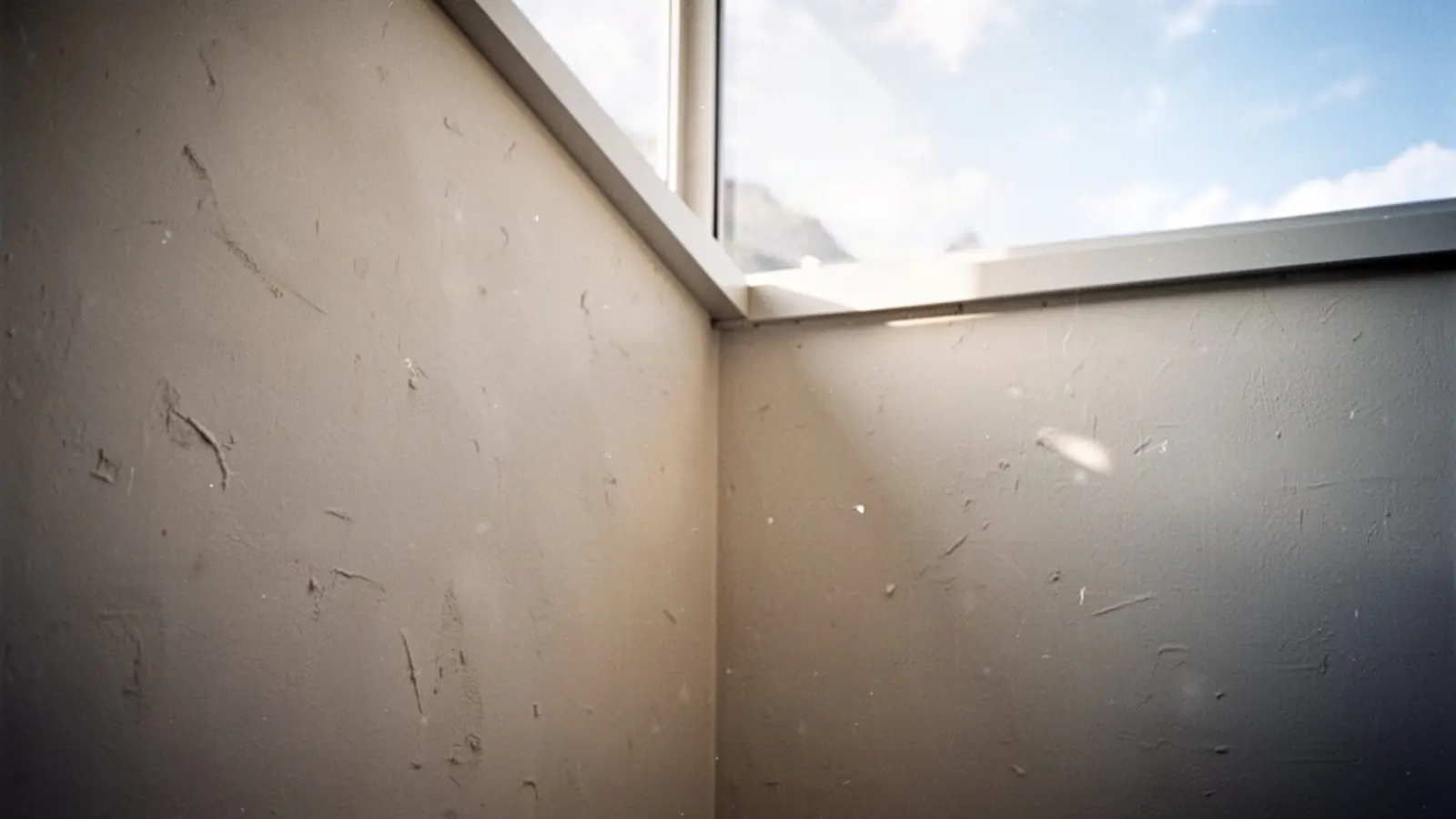
If you are moving to Switzerland from the UK, the US, India, Singapore or anywhere else, the key handover is one of the first things you will do in your new country. It is also one of the most important. The Swiss move-in inspection, and the handover protocol (Übergabeprotokoll in German, état des lieux in French) that comes out of it, is the written record of what your home looked like when you received it. This guide explains how it works, in the order things happen, and what you can prepare from abroad.
What the handover protocol is
On the day you receive the keys, you and the landlord, or their representative, walk through the apartment together. Someone fills in a form that lists each room and notes its condition: floors, walls, windows, kitchen, bathroom, appliances, keys. Both sides sign it, and each keeps a copy.
Why does it matter? When you leave, the same kind of inspection takes place, and the two documents are compared. Damage that was already there on day one is the landlord's matter. Damage that appeared during your tenancy may be discussed in relation to your rent deposit (Mietzinsdepot or Mietkaution). The protocol is your proof of the starting point.
In many countries, tenants rely on photos and a quick email. In Switzerland, the signed protocol carries much more weight, so treat it seriously even if the landlord seems relaxed about it.
The handover step by step
Before you travel
Start with the lease itself. Read what it says about the handover and about reporting defects after move-in, and keep a digital copy on your phone. Our guide to your Swiss lease and rent deposit explains the clauses you will see. If you are still looking for a place, how to rent an apartment when you are new here and renting your first home in Switzerland cover the earlier steps, and the rental application file shows what landlords ask for.
Then plan the date. Your belongings may still be at sea, so check shipping your belongings and the typical relocation timeline to avoid arriving at an empty flat on the day the inspection takes place. If you need a bridge, furnished and temporary housing can fill the gap.
Ask the landlord or agent a few questions by email:
- Who will conduct the inspection, and where will you meet?
- Will there be a written form, and can you see a blank copy beforehand?
- How many keys, mailbox keys and access cards should you receive?
- Can someone attend with you if you want a second pair of eyes or a translator?
On the day
Go slowly. Switzerland is a country where punctuality and precision are valued, and nobody will mind if you take your time. A family of four arriving from Toronto, for example (a fictional case), might split up: one parent checks the kitchen and bathroom while the other photographs windows and floors, and the children are asked to count keys. It is calm, it is methodical and it works.
Check these items in every room:
- Walls and ceilings: marks, holes, damp patches, peeling paint.
- Floors: scratches, stains, loose parquet, cracked tiles.
- Windows and shutters: do they open, close and lock? Are the blinds working?
- Kitchen: oven, hob, fridge, dishwasher, extractor fan, tap, worktop.
- Bathroom: tap, shower, toilet flush, silicone sealing, drains.
- Cellar, balcony and any shared laundry access.
- Heating: radiators or floor heating respond when turned on.
- Keys, mailbox, intercom and door locks.
Take photos of every flaw, with a wide shot and a close-up, and make sure the date is visible in the image data. Then ensure each flaw is written on the protocol. A photo on your phone helps, but a line on the signed form is what counts.
What to write on the protocol
Be specific. “Scratch on parquet” is weaker than “scratch about the length of a hand on the parquet by the bedroom window.” Describe location, type and size in plain words. If something is working but old, say so: “oven works, heavy wear inside.”
If the landlord's form has tick boxes only, add a note in the comments area, or attach a separate page and have it signed too. If you do not understand a word on the form, ask before signing. In a French-speaking or Italian-speaking area, the form may not be in English, so request a translation of the key lines or bring someone who reads the language.
Do not sign a blank or half-filled form. If an item cannot be checked on the day, for instance because the lights are not working, write that on the protocol.
After the inspection
Defects often show up only later: a shutter that jams, a dripping tap, a heater that fails in the first cold week. Your lease or the landlord's form usually sets a period during which you can report additional defects in writing. The length of that period depends on the contract, so check yours and do not guess. A short email with photos, sent promptly, and a request for confirmation of receipt is a sensible habit.
Keep everything together in one folder, digital and paper: lease, protocol, photos, emails. You will be glad of it when you leave. Our guide to leaving Switzerland describes what happens at the other end.
Arrival tasks run in parallel. Registration with your municipality (Gemeinde) is the next big one: on the fact sheet we rely on, it is generally due within 14 days of arrival, though the exact rule can differ by commune or canton (ch.ch). The municipality will want your lease, so keep the signed documents handy. If you want a specialist to look at your own situation, you can use the request at the bottom of the page.
Frequently asked questions
Is the move-in inspection mandatory in Switzerland?
The law does not require a specific form, but in practice almost every landlord or agent holds one. If they do not offer it, ask for it. A written record protects both sides.
What is the Swiss word for the handover protocol?
In German it is Übergabeprotokoll or Wohnungsübergabe, in French état des lieux d'entrée, and in Italian verbale di consegna. The idea is identical in all language regions.
Who is present at the handover?
Usually you and the landlord or an agent from the property management (Verwaltung, régie). A caretaker (Hauswart) sometimes joins. You may bring a friend or partner.
Do I have to be there in person?
It is strongly advisable. If you are still abroad, ask whether a trusted person can attend with a written authorization. Never leave the process to chance, because the protocol is your main proof.
Can I do the inspection before my belongings arrive?
Yes, and that is easier. An empty apartment lets you see floors, walls and cupboards clearly. Plan the date with your move timeline in mind.
How long does an inspection take?
It depends on the size of the apartment and how many defects you find. Allow generous time and do not rush because someone is waiting for you.
What if the landlord's form is only in German or French?
Ask for an English summary of the main lines, use a translation app for the details, or bring a person who reads the language. Do not sign what you do not understand.
Should I take photos even if the landlord does?
Yes. Your own dated photos are a helpful backup. They support the protocol, but do not replace the signed document.
What counts as a defect worth noting?
Anything that is not in perfect condition: scratches, stains, marks, broken parts, things that do not work. Small items matter too, because they are easy to forget a year later.
Can I refuse to sign?
You can ask for corrections before signing, and you can add comments. If you disagree strongly, write your objections on the form and contact a tenant association or a specialist about your own case.
Do I get a copy of the signed protocol?
You should. Ask for a copy on the day, or a scan sent the same day. Without your own copy, you have little to show later.
What if I find a defect after the inspection?
Report it in writing as soon as possible, with photos, and follow the method in your lease. The reporting period is set by your contract, so read it early.
Is the rent deposit linked to the inspection?
Yes, indirectly. At the end of the tenancy, the deposit may be discussed in light of the difference between the first and last protocols. The rules for the deposit itself are in your lease.
Where does my deposit go?
It is normally held in a blocked account in your name, not kept by the landlord. Your lease and the bank's confirmation tell you the details.
Do I pay for normal wear and tear?
Normal wear from ordinary living is generally treated differently from damage. What counts as normal depends on the case, so a specialist should look at your situation.
Can the landlord add items to the protocol later?
Changes after both parties have signed should be agreed in writing. Keep your copy and compare it with anything you later receive.
What should I bring on the day?
Your lease, a photo ID, a phone or camera, a notebook, and a small flashlight for dark corners. A tape measure helps to note the size of marks.
Do furnished apartments need an inventory too?
Yes. A furnished home usually has a list of furniture and objects as well as the room-by-room condition. Check each item against the list.
What about parking spaces and cellars?
If they come with your lease, they belong in the protocol. Note their condition and the keys or remotes you receive.
Does the protocol affect my residence registration?
Not directly, but the municipality usually asks for your lease when you register, so keep the signed documents together.
Can I get help with the handover from a relocation company?
The site you are reading connects you with relocation companies that can assist. A specialist can look at your case after you send the request at the bottom of this page.
Sources
Related pages
- Renting your first home in Switzerland, from sea
- How to rent an apartment when you are new here
- Apartment hunting in Switzerland
- The rental application file landlords expect
- The debt collection extract
- Your Swiss lease and rent deposit, clause by cla
- Furnished and temporary housing for your first w
- Buying a home in Switzerland as a foreigner