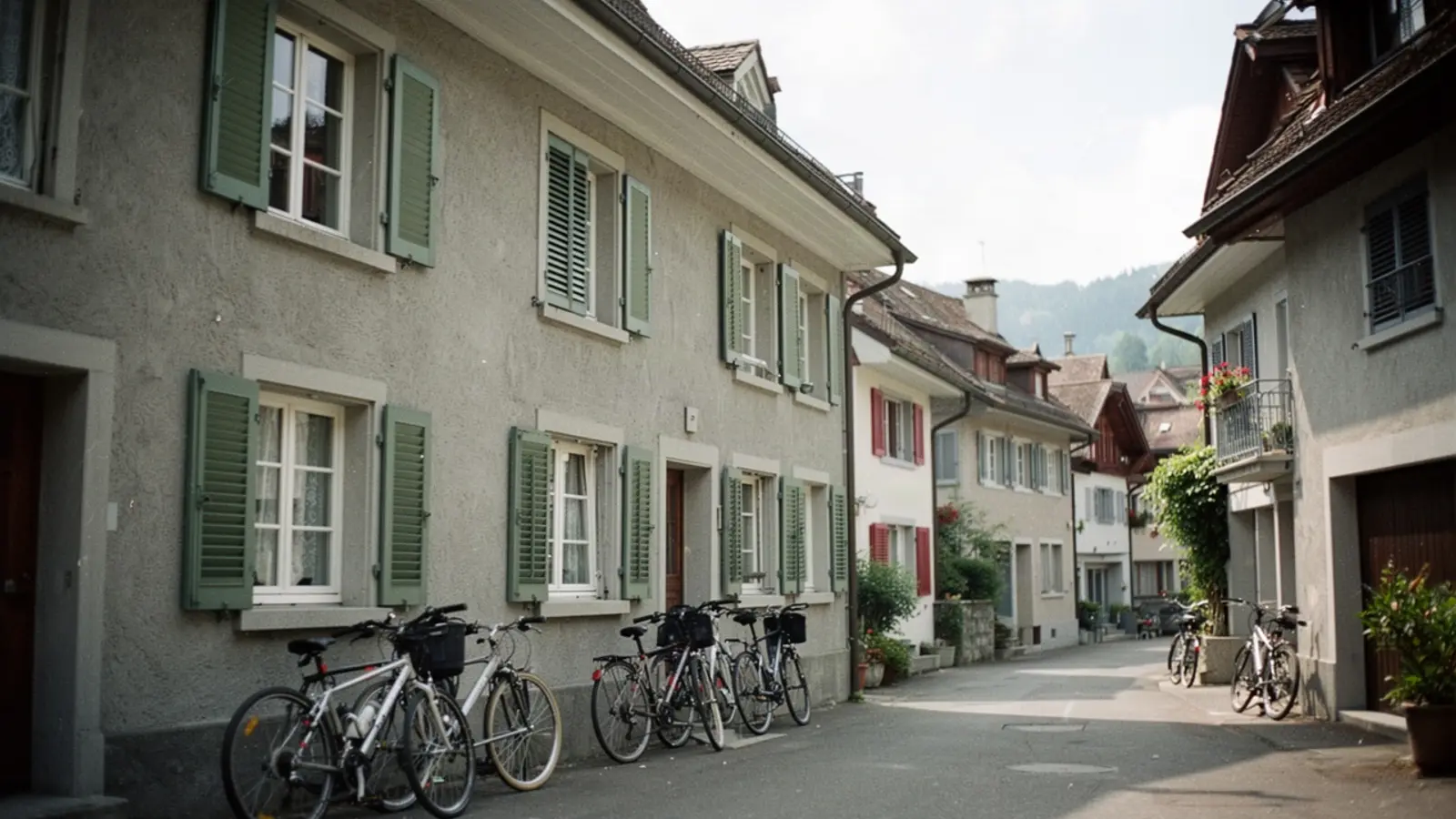
Apartment hunting in Switzerland feels different from most countries your family may be leaving. Landlords often receive many applications for one home, they ask for a full paper file, and they usually meet or screen applicants before choosing. The good news: the process is predictable. Once you know the order of steps, you can prepare most of it from your living room in London, Austin, Mumbai or Singapore.
This guide walks you through the search step by step: understanding the market, choosing where to look, building a file, writing a message that gets read, and what happens after a landlord says yes.
How tight is the Swiss rental market?
Switzerland has very few empty homes. On 1 June 2026, the Federal Statistical Office (FSO) counted 45,493 vacant dwellings, which is 0.93% of the housing stock. The same release notes this is the first time the rate has fallen below one percent, and the number of vacant homes dropped compared with the year before (FSO).
What does that mean for you in practice? A few things:
- Good listings go quickly, sometimes within days.
- Many applicants send a complete file at once, so an incomplete one is easy to skip.
- Flexibility on neighborhood, floor, or move-in date makes a real difference.
None of this means the search is hopeless. Thousands of newcomers find homes every year. It means a calm, organized approach beats a rushed one.
The order of an apartment search
Think of the search as a short chain of steps. The diagram below shows the typical path of a rental application from first message to keys.
Step 1: decide what you are really looking for
Before opening a single listing, write down the basics. Swiss listings count rooms in a particular way (a "3.5-room" apartment includes a half room, usually a small one such as a hallway or kitchen nook), so check the floor plan rather than trusting the label.
Useful questions to settle first:
- Which town or area suits your daily life? Compare commute times to work and school, not just distance. The city comparison tool helps you set cities side by side.
- Which language region are you aiming for? German, French, Italian and Romansh are spoken in different parts of the country, which affects schools and daily life. See languages and regions.
- How flexible is your date? Landlords like tenants who can move in when the previous one leaves.
Example: a couple arriving from Bangalore with one child might widen their search from one city to its neighboring towns, because a short train ride can open far more listings.
Step 2: understand the permit question early
Newcomers often wonder whether they can rent before they hold a residence permit. In many cases landlords ask for a permit or a work contract as proof you will be living in the country. Switzerland has two broad admission systems: one for citizens of EU/EFTA countries and one for citizens of third countries (SEM). Which one applies to you shapes your paperwork and timing.
If you are unsure, the permit finder gives a first orientation. A specialist can then look at your situation through the request form at the bottom of the page. The authorities, not any website, decide on permits.
Step 3: build your rental application file
This is where you can stand out. Swiss landlords and property managers (called régie in French, Verwaltung in German) expect a tidy file, usually as one PDF. Typical contents:
- A completed application form from the listing, signed.
- A copy of your passport or ID, and your permit if you already have one.
- Your employment contract or job offer letter.
- Recent payslips or other proof of income.
- A debt collection register extract (Betreibungsauskunft), explained in the debt collection extract guide.
- A short personal cover letter.
- References from previous landlords, if you have them.
If you live abroad, you will not have a Swiss debt collection extract yet. Ask the landlord what they accept instead, and explain this in your message. For full details, read the rental application file landlords expect and test yourself with the rental file checker.
The cover letter that gets read
Keep it to a few short paragraphs. Say who is moving, why you are coming to Switzerland, when you can start, and how long you plan to stay. Mention anything that reassures a landlord: stable work, no pets or well-trained pets, non-smokers, a quiet household.
Example: a family of four arriving from Toronto writes three friendly sentences about the parents' jobs, the children's school plans, and their wish for a long tenancy. That is more memorable than a long story.
Step 4: find listings
Several channels work together. Using more than one improves your odds.
Online property portals
Most rentals are advertised on large Swiss real estate portals, often with email alerts. Set alerts for your chosen area and answer within hours, not days. Alerts are free and save you from refreshing pages all day.
Property managers and agencies
Many buildings are handled by a régie or Verwaltung, and some publish vacancies on their own pages. Registering your interest with several can help, particularly for new developments.
Personal and employer networks
Employers who hire from abroad often know colleagues who are leaving a flat. Ask your future HR contact. Company relocation staff can sometimes point you to buildings that have worked well for earlier hires. See employee relocation for how companies approach this.
Local social groups
Expat groups and neighborhood groups sometimes share sublets and flatshares. Treat these listings with care: never send money before seeing a lease and, ideally, the home itself.
Temporary housing as a bridge
Many newcomers land first in a furnished short-term place and search on site. This is often the least stressful route, because you can attend viewings in person. Read about furnished and temporary housing and temporary housing while you look for a home.
Step 5: spot scams and red flags
Scammers target people who search from abroad. Warning signs include:
- The "landlord" lives abroad and offers to send keys by post after you pay.
- The rent looks far lower than similar homes.
- You are asked to pay a deposit or fee by money transfer before a viewing.
- Photos look professional but the address is vague.
A genuine lease comes with a deposit arrangement set in the contract, usually into a blocked bank account in your name, not into a private account. For a clause-by-clause look, read your Swiss lease and rent deposit.
Step 6: view the apartment
Landlords may hold group viewings with many applicants at once, or invite shortlisted people only. If you cannot be there, ask politely for a video tour and offer to send your file in advance.
Bring a printed copy of your file to in-person viewings. Dress neatly, arrive on time and be friendly with the current tenant and the manager: Swiss rental decisions often weigh how reliable and pleasant you seem.
Things to look at:
- Noise from neighbors, the street, or a train line.
- Storage: a cellar compartment is common, a wardrobe is sometimes not.
- Kitchen equipment and whether a washing machine is shared in the building.
- Heating type and which costs are billed on top of the rent.
Step 7: after you are chosen
When a landlord selects you, you receive a lease and a request to arrange the deposit. Read it closely and ask questions about anything unclear. At handover, an inspection report lists any existing marks. Photograph every room and keep a copy: the move-in inspection guide explains what to check.
Then comes registration. Arrivals are expected to register with the municipality within 14 days, although the deadline can vary by municipality and canton, so confirm locally (ch.ch). You will usually bring ID, your permit or work permit, and proof of health insurance. Basic health insurance is compulsory within three months of taking up residence in Switzerland (FOPH), so organize it early.
What can you delegate?
Searching is time-consuming, especially across time zones. Some people prefer to hand parts of it over. A home search service matches you with a relocation company that can look for listings, arrange viewings, and prepare your file. Our role is to connect you with the company that fits your request; the company then agrees the details with you directly. The decision to rent always stays with the landlord, and nothing is assured in a tight market.
If you are weighing rent against purchase, see buying a home in Switzerland as a foreigner. For an overview of what a first lease involves, read renting your first home in Switzerland and how to rent an apartment when you are new here. For a sense of budget, see what rent to expect.
A short checklist before you start
- Choose two or three target areas and rank them
- Gather ID, contract, payslips and references into one PDF
- Draft a short, friendly cover letter
- Set up alerts on several portals
- Arrange a short-term stay for viewings if possible
- Keep a spreadsheet of applications and answers
- Learn the registration and insurance deadlines
When you are ready, tell us about your move and a company that fits your needs can get in touch.
Frequently asked questions
Can I rent an apartment in Switzerland before I arrive?
Yes, in many cases. Some landlords accept applications from abroad if your file shows income and a job offer. Others prefer to meet applicants first, so a video call or a short trip can help.
How long does apartment hunting usually take?
It varies widely by city, season, and how flexible you are. Because vacancies are scarce, starting early and applying to many listings is a sound approach.
Do I need a work contract to rent?
Landlords generally want proof of stable income. A signed employment contract or a firm job offer is the most common proof, but other income documents may also be accepted.
What is a régie?
A régie (French) or Verwaltung (German) is a property management company that handles a building for its owner. It runs viewings, collects applications and prepares the lease.
What does "3.5 rooms" mean?
Swiss listings count living rooms and bedrooms, plus a half room for a small space such as a hallway or separate kitchen. Always check the floor plan and the area in square meters.
Is the rent shown on a listing the full price?
Often not. Listings usually show the net rent plus a separate service charge for heating and hot water. Ask what the charges cover and whether they are a fixed amount or settled each year.
Can I rent with a permit that is still being processed?
Practices vary. Some landlords wait until a permit is issued, others accept a work contract as sufficient. The authority decides on the permit, so ask the landlord what they accept.
What is a debt collection extract?
It is an official statement showing whether collection proceedings have been started against you. Landlords request it to judge payment reliability. See the full guide.
What if I have just arrived and have no extract?
Explain that you are moving from abroad and offer other proof, such as references, a bank statement or a letter from your employer. Landlords differ, so ask what they accept.
Should I visit before signing a lease?
Visiting is strongly worth it when you can. If not, ask for a detailed video tour and floor plan, and be wary of any request to pay before the lease is sent.
Where do I find listings?
Mainly large real estate portals, property manager pages, employer contacts and local groups. Setting alerts on several portals gives the best chance of seeing new homes early.
How can I stand out among many applicants?
Send a complete, tidy file at once, write a short friendly cover letter, answer quickly, and show flexibility on the move-in date. Attention to detail signals reliability.
Do landlords prefer long-term tenants?
Many do, since turnover means extra work. Mentioning that you plan to stay for several years can be a helpful point in your letter.
Is it normal to be asked many personal questions?
Landlords ask about household members, income, pets and smoking. That is common practice, though they are limited in what they may require. Ask politely if a question seems unusual.
What about furnished apartments?
Furnished homes exist but are fewer and often cost more for the same size. They are useful for the first weeks while you search in person. See furnished and temporary housing.
Can pets live with me?
It depends on the lease and the building. Some landlords accept pets, others do not. Ask before applying and mention your pet honestly in your cover letter.
How do rental deposits work?
The deposit is normally paid into a blocked account in the tenant's name rather than to the landlord directly. The lease explains the conditions. Details are in the lease guide.
Do I need renter's insurance?
Household contents and liability insurance are common, and some landlords expect it. The rules differ by canton and lease, so ask when you receive the contract.
When do I register with the municipality?
Arrivals typically register within 14 days, though it can differ by municipality or canton (ch.ch). Check with the local office when you sign your lease.
When must health insurance begin?
Basic health insurance is compulsory within three months of taking up residence. If the deadline is met, cover is retroactive to the date you settled (FOPH).
Does the search differ for EU/EFTA and third-country citizens?
The apartment search itself is similar, but permit rules differ, and so can the proof landlords ask for. See the permit finder for a first orientation.
Can I search for a home with children in mind?
Yes. School catchment areas can matter, so look at school options early. The school choice tool and the school search service can help.
Is it easier to find a home in a smaller town?
Often there are more options in surrounding towns, and commuting by train is common. Fribourg is one example of a city with a good rail connection and a different pace from the largest cities.
Can a relocation company find a home for me?
A relocation company can help with searching, viewings and the application file, but the final decision always belongs to the landlord. Start with the home search service.
What if I am starting a business rather than taking a job?
Proof of income looks different in that case. Read starting out on your own in Switzerland for how self-employed newcomers approach it.
Sources
Related pages
- Renting your first home in Switzerland, from sea
- How to rent an apartment when you are new here
- The rental application file landlords expect
- The debt collection extract
- Your Swiss lease and rent deposit, clause by cla
- The move-in inspection
- Furnished and temporary housing for your first w
- Buying a home in Switzerland as a foreigner