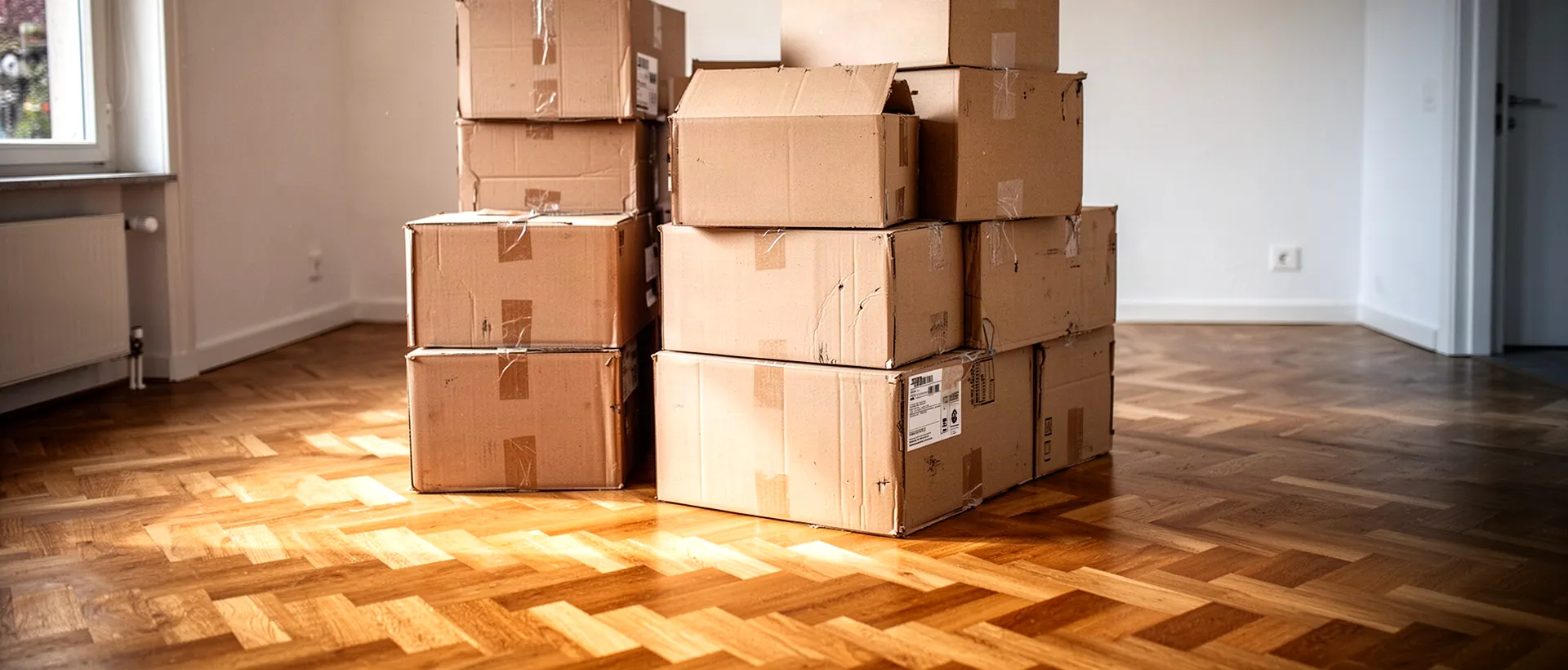
Moving abroad feels huge when it lives in your head. On paper, it is a short list of steps in a sensible order. This moving to Switzerland checklist is written for people who still live elsewhere (London, Chicago, Mumbai, Singapore, Sydney) and want to know what to do now, what can wait, and what only becomes possible once you are on Swiss soil.
Think of the last stretch before departure as three phases: secure the right to come, prepare the paperwork and the practical side, and close things at home. The diagram below shows the rhythm.
Start with the permit route
Everything else depends on this. Switzerland issues residence permits through the cantons, with the State Secretariat for Migration (SEM) setting the framework. The SEM separates short-stay permits (under one year), annual permits (limited in time) and settlement permits (unlimited). For EU/EFTA nationals, the permit letters you will meet are L (short stay), B (resident) and C (settled), plus Ci for people tied to foreign representations (SEM).
Citizens of the EU and EFTA follow a free movement regime. Citizens of other countries, such as the UK, the US, India, Canada, Australia or Japan, go through a separate admission system where the employer or the family link usually starts the process. Who qualifies, and when, is decided by the authorities, never by a relocation company.
If you are unsure which route applies, try the permit finder for a first orientation, then ask for a specialist to look at your situation through the request at the bottom of the page.
- Write down your nationality and every household member's nationality
- Note who your sponsor is: an employer, a spouse, or none yet
- Find out which canton you are likely to live in, since cantons run the migration office
- Keep every official letter and email about your permit in one folder
Documents to gather from home
Swiss offices work on paper and on originals. Collecting documents takes longer than people expect, because some come from foreign registries with their own waiting times.
Common items to prepare:
- Passports for everyone, with comfortable validity left
- Birth certificates for children and, where relevant, marriage or partnership certificates
- Diplomas and professional certificates, if a job or school will ask for them
- A work contract or an offer letter, if you are moving for a job
- Passport-size photos, in case an office asks for them on the spot
- Proof of address history, which some offices request
Some documents may be asked for with an official translation or an apostille (a certificate that makes a public document valid abroad). Ask the receiving Swiss office which ones apply before you pay for translations. A rental file check shows what landlords typically want to see, which overlaps with this list.
Couples with two passports have extra paperwork questions, which are covered in two passports, one move.
Families: permits for spouses and children
If you move with a partner and children, the question is whether they arrive together with you or follow later. For third-country nationals, family reunification covers the spouse and unmarried children under 18. Deadlines apply to the request, and a request made late can be accepted only for major family reasons. Conditions on housing and income, and the rules for EU/EFTA families, differ and depend on the case, so they are best checked with the cantonal office (Canton of Schwyz leaflet).
Whether your family qualifies is up to the authorities. What you control is the order of events: plan the school search, the childcare question and the first address around the date your family can actually arrive. The page on moving to Switzerland with children covers school types and the questions to ask. The school choice tool is a quick way to see which type of school suits a child.
Example: a family of four relocating from Toronto, one parent with a job offer and a spouse who will follow. They split the checklist in two columns, one for the first person who travels and one for the family arriving after the permit steps are done. That small habit keeps surprises down.
Housing: line up something before you land
Renting in Switzerland is competitive and file-based. Landlords and agencies (often called a régie or Verwaltung) usually ask for a complete application with ID, proof of income and a debt-collection extract (Betreibungsauskunft), a certificate showing whether anyone has pursued you for debts. From abroad, you can often request related documents in advance.
Many arrivals begin in a furnished short-term place and look for a long-term home once they are on site. This takes pressure off the search and lets you see neighborhoods in person. If you want a feel for different cities first, the city comparator puts them side by side.
- Decide between a temporary stay first or a direct long-term rental
- Prepare your rental file in a single PDF
- Ask what the landlord requires as a deposit, and in what form
- Avoid sending money for a place you have not seen or verified
For a realistic look at the budget side, read what it really costs to move to Switzerland.
Health insurance: understand it before you arrive
Switzerland has no public health service funded from taxes the way the UK's NHS is. Basic health insurance is compulsory for residents and is bought from private insurers, who must accept everyone for the basic cover. The deadline to join after arrival is short and set by law, so it is wise to understand your options in advance. Choices that influence your premium include the deductible and the model of care.
Before you leave, ask your current insurer for a letter confirming your coverage history and, for children, vaccination records. Keep prescriptions and a medical summary for ongoing treatment. Decisions about which cover suits which person are personal and depend on health, age and plans, so a specialist reviews them case by case.
Shipping your belongings
Moving your furniture and personal effects is one of the places where Swiss customs rules help you, if you prepare. Goods for people who settle in Switzerland can enter free of duty. The customs office asks for form 18.44, the declaration for removal goods, signed and in two copies. The items must have been used abroad for six months before the move, and the import must be linked in time to the move itself, which the customs office describes as unproblematic within two years (FOCBS).
Practical steps:
- Make an inventory of what you plan to ship, room by room
- Separate items you bought recently from items you have used for a while
- Ask your mover how they handle the customs form
- Check which items are restricted, such as certain foods, plants, medicines or weapons
- Insure the shipment for transit
Cars, pets and certain electrical items follow separate rules. Pets, for instance, have their own entry steps, so read up on them before booking flights.
Money, banking and tax at home
Open the conversation with your current bank early. Some banks at home want to know when you will change residence, and Swiss banks often prefer to open an account once you can show a Swiss address. Keep one card that works abroad so you are not stuck in the first days.
On tax, the rules depend on your nationality, your income and where your assets sit. US citizens, for example, stay in their home tax system even when they live abroad, while UK residents have a specific route to leave the UK tax system. These are personal tax questions, so a qualified adviser should look at the exact position. This page cannot do that for you.
- Tell your tax office about your departure date in the way your country requires
- Ask your pension provider what happens to your pension after you leave
- Collect statements for the last years, which some Swiss offices ask to see
- Set up a mailing address for official mail that will keep arriving at home
Closing things at home
Many people only remember these at the airport. Deal with them while you still have a local phone number.
- Give notice on your rental or sell your property
- Cancel or transfer utilities, internet and mobile contracts
- Redirect your mail
- Update your doctor, dentist and school records, and request copies
- Review subscriptions that are tied to a country, such as streaming or gym
- Arrange for a power of attorney if someone at home will handle things for you
The week you fly
Pack an arrival folder you carry on the plane, never in the shipment. Inside: passports, permit approvals or visa, contract, birth and marriage certificates, the address of your first stay, insurance papers and printed copies of the forms you already filled in. Add a charger and a little local currency.
Once you arrive, the clock for local steps begins. Registration with the municipality (Gemeinde) comes first, then insurance and banking. The first three months checklist and the first weeks in Switzerland, step by step take over where this page ends. The relocation calendar turns the whole sequence into dates for you.
Make the list your own
Every move is different: a single person on a work visa, a couple with a toddler, a retiree. The personal checklist builder adapts the steps to your own household. If you would like to be introduced to a relocation company that fits your needs, the request at the bottom of the page is the way to start. For location-specific reading, see from London to Zurich, from Singapore or from Japan.
Frequently asked questions
When should I start preparing to move to Switzerland?
As early as you can once the decision is made. The permit route and the housing search take the longest, so begin there, and leave shipping and closing contracts for later.
Can I enter Switzerland first and sort out the permit afterwards?
It depends on your nationality and the purpose of your stay. Rules differ between EU/EFTA citizens and third-country nationals, and the cantonal migration office decides. Check before booking one-way flights.
Which permit types exist?
The SEM distinguishes short-stay, annual and settlement permits. For EU/EFTA nationals the labels are L, B and C, with Ci for people linked to foreign representations (SEM).
Who decides whether I get a permit?
The authorities do. A relocation company can explain the steps and connect you with specialists, but cannot grant or promise a permit.
Do I need a job before I move?
For many third-country nationals, a job offer is the usual starting point, with the employer applying. Other routes exist, such as family links. Which one fits is decided case by case.
Can my spouse and children come with me?
For third-country nationals, family reunification covers a spouse and unmarried children under 18, subject to deadlines and conditions. Details vary by case and canton (Canton of Schwyz).
What if my request for family reunification is late?
A late request can be accepted only for major family reasons, so timing matters. The cantonal office explains how it applies to a given family.
Which documents are worth gathering at home?
Passports, birth and marriage certificates, diplomas, a contract or offer letter, and proof of income. Ask the Swiss office whether translations or an apostille are needed.
What is an apostille?
A certificate that confirms a public document is genuine so another country accepts it. Your home authority issues it, and not every document needs one.
Can I rent a home before arriving?
Sometimes, though many landlords prefer a viewing. A short-term furnished stay at the start is a common bridge. Be careful with any request for money before a viewing.
What is a debt-collection extract?
A document showing whether debt proceedings have been started against a person. Swiss landlords often ask for it. Someone arriving from abroad can ask the landlord what they will accept instead.
Is health insurance compulsory?
Yes, basic health insurance is compulsory for residents, and it is offered by private insurers. The joining deadline after arrival is short, so it helps to learn the basics before you land.
Can I use my home country's health insurance?
Home coverage often does not replace Swiss basic insurance for residents. Keep it for the journey and the transition, and ask both insurers about the details.
Can I bring my furniture without paying duty?
Removal goods are imported duty-free for people settling in Switzerland, with form 18.44 filled in and signed in two copies (FOCBS).
Do my belongings need to be used before I ship them?
Yes, the items must have been used abroad for six months before the move (FOCBS). New purchases are treated differently, so ask customs.
How long after arriving can I ship my goods?
The customs office describes import in a time frame linked to the move as unproblematic within two years (FOCBS). A mover can help with timing.
What about my car or my pet?
Both have their own entry rules and are not covered by the household goods procedure. Check with the relevant authority before you book transport.
Do I still pay taxes at home after I leave?
It depends on your country, your status and your income. Some countries tax citizens abroad. A qualified tax adviser can answer this for your exact position.
What should I carry in my hand luggage?
Passports, permit or visa papers, contracts, civil status certificates, insurance documents, the first address and some means of payment. Leave nothing important in the shipment.
What happens right after I arrive?
You register with the municipality, then sort health insurance and a bank account. The first three months page lists the steps, and the common questions page answers more.
Sources
- State Secretariat for Migration (SEM), residence
- State Secretariat for Migration (SEM), EU/EFTA nationals
- Canton of Schwyz, family reunification leaflet (third countries)
- Federal Office for Customs and Border Security (FOCBS), removal goods FAQ
- Federal Office for Customs and Border Security (FOCBS), moving and relocation goods
- Federal Office for Customs and Border Security (FOCBS), form 18.44