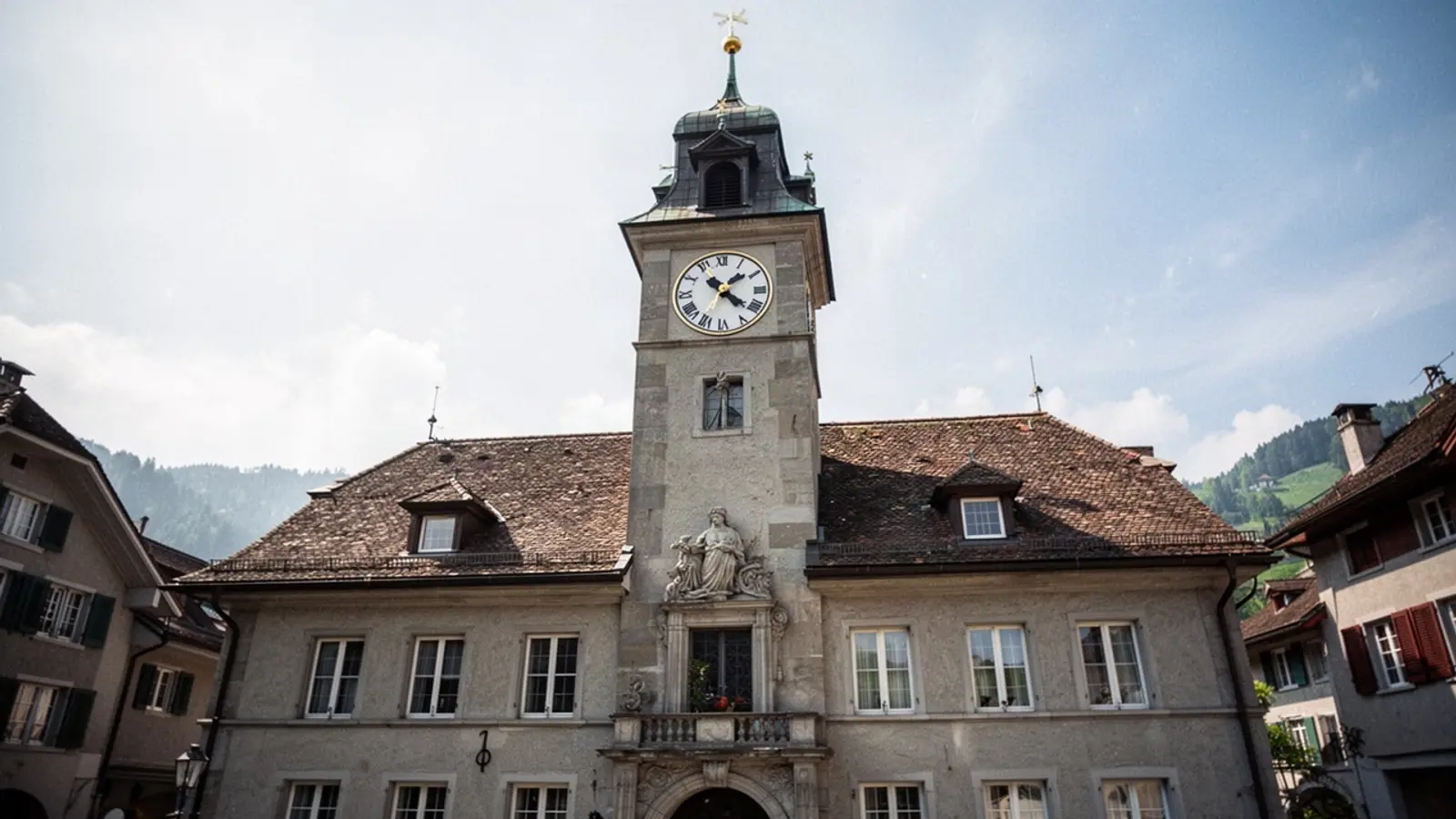
If you want to register with a municipality in Switzerland, the idea is simple: when you arrive to live here, you tell the local authority of the place where you now live. In Switzerland that authority is the commune (in German, the Gemeinde; in French, the commune). The usual timeframe is 14 days after arrival, although the exact rule can vary by commune and canton.
This guide walks you through it step by step, so nothing about the first official visit feels like a surprise.
What registering actually means
Registering is an official notice of arrival. You tell the commune where you live, who is in your household, and which permit or status you hold. The commune records it, and many other things follow from that record: your residence status, your tax file, your health insurance obligation, school places for children and more.
It is not the same as getting a permit. The permit is decided by the cantonal migration office and, in some cases, the federal level. The commune is the front door: it receives your notice and passes the information on. For the permit side, see which permit do I need.
The 14-day timeframe
The commonly cited timeframe is 14 days from arrival. Official guidance (ch.ch) points to this figure, but it can differ from one commune or canton to another, so check the local website for your new home before you travel. Treat the number as the usual rule and the local page as the final word.
Who registers, and where
Everyone who comes to live in Switzerland registers, whether they are EU/EFTA citizens or nationals of other countries (the SEM describes two distinct regimes). The difference is mostly in the paperwork behind the registration:
- EU/EFTA citizens usually arrive under the free movement agreement and register with the commune, which then involves the cantonal office.
- Nationals of other countries usually arrive with an entry visa or an approval already granted, and the commune registration confirms the stay.
Both groups go to the commune of residence, meaning the commune where the address on your rental contract (or your purchase deed) is located. If you stay in a hotel at first, ask the commune how it handles a temporary address.
What to prepare from abroad
You can do a lot before you board the plane. Here is a checklist to build at home:
- A valid passport or national ID card for every person in the household
- The residence or work permit documents you have received so far
- Proof of health insurance, or the information needed to arrange it quickly
- Your housing contract or a written confirmation from the landlord
- Marriage and birth certificates for family members, translated if your commune asks for it
- Passport photos, in case the commune or cantonal office asks for them
According to ch.ch, the commune typically asks for an identity document, your residence or work permit, and proof of health insurance. Some communes ask for more, and many publish a list on their website. If your documents are not in German, French, or Italian, ask whether a translation or an apostille is expected, and how recent the papers must be.
Build your own list with the personal moving checklist, or see the relocation calendar to place this step among the others.
Step by step: your first visit
- Find your commune. Check the postal address on your housing contract; the commune is named in it or can be found on the commune's website.
- Check the local rules. Look for opening hours, whether you need an appointment, and whether an online form exists.
- Gather your documents. Bring originals, and ask about copies.
- Go in person or file online. Many communes still ask for a visit, especially for non-EU nationals.
- Keep your confirmation. Ask for a written proof of registration. You will use it for banks, schools, and insurers.
- Follow up on the permit. The commune may tell you the next step with the cantonal migration office.
Example: a family from Singapore
Imagine a couple with two school-age children who move from Singapore. Before leaving, they scan every passport page, collect marriage and birth certificates, and ask the landlord for a signed housing confirmation. After landing, they note their arrival date and visit the commune office the same week. The clerk records the household, explains the next permit steps, and tells them how to book the school registration. For more on that corridor, see from Singapore to Switzerland.
Example: a single professional from Japan
A single employee arrives from Tokyo with a work permit approval and an employer letter. They go to the commune with their passport, permit papers, and insurance details. The commune asks for a short form and the housing contract. See also from Japan to Switzerland.
Health insurance comes right after
Registering and health insurance go hand in hand. Anyone living in Switzerland has to take out basic health insurance no later than three months after taking up residence (FOPH). If the deadline is respected, the cover is back-dated to the date you took up residence, and the premiums are owed from that date. If the deadline is missed, cover starts only when you join, a premium surcharge may apply for an unexcused delay, and the cantonal authority can assign an insurer. Many people therefore line up their insurance in the first weeks. The first-weeks overview shows where it fits.
Common pitfalls
- Waiting too long. Late registration can cause questions, delays, or even fines in some communes. Mark your arrival date.
- Wrong commune. The address on your contract decides which office is competent.
- Missing originals. Copies are often not enough on the first visit.
- Assuming the process is identical everywhere. Cantons and communes differ in forms, appointments, and languages.
- Forgetting family members. Every person in the household is part of the notice, so check what each needs.
After you register
Once the commune has your notice, other things start moving: the permit card may be issued or confirmed, your tax file is opened, and children can be enrolled. If you drive, see driving: exchanging your licence and registering a car. If you plan to bring family later, read bringing your spouse and children. If your stay is short, the short-assignment notification may apply instead. Staying longer, look at permit renewal and, much later, swiss citizenship.
When you want someone to examine your case, such as your permit type, your timing, or your documents, the request form at the bottom of the page connects you with a relocation company suited to your situation. A specialist can examine your case; the site itself does not decide anything.
Frequently asked questions
What does it mean to register with a municipality in Switzerland?
It means telling the local authority of your new home that you live there now. The commune records you, your household, and your status. Other offices rely on that record.
Is the 14-day rule the same everywhere?
Not always. Official guidance points to 14 days after arrival, but the exact timeframe can vary by commune or canton. Check your future commune's website before you travel.
When does the 14 days start?
The notice period usually runs from the day you arrive to live in Switzerland. Keep proof of your arrival date, such as travel documents or your housing contract.
Do EU and EFTA citizens register too?
Yes. EU/EFTA citizens arrive under the free movement regime, but they still announce their arrival to the commune. The paperwork behind it is simpler than for other nationalities.
What about people from the US, UK, India or Canada?
They fall under the regime for non-EU/EFTA nationals (SEM). The commune registration still applies, and it normally follows the entry approval granted for the stay.
What documents does the commune ask for?
According to ch.ch, usually an identity document, your residence or work permit, and proof of health insurance. Some communes ask for more, so check their website.
Can I register before I arrive?
In general, no: the notice concerns people who already live in Switzerland. You can, however, prepare the documents and look up the local rules from abroad.
Can I register online?
Some communes offer an online service, others require a visit in person. This differs locally, so look at the commune page or call during opening hours.
Do I need an appointment?
Many offices work with appointments, others have open counters. Check the website of your commune before going.
Do all family members come along?
It depends on the commune. Often each adult appears with their papers and the children are listed on the household notice. Ask in advance.
What if I only have a hotel address at first?
Ask the commune how it treats temporary addresses. Some accept a short-term contract; others want a lasting address before registering.
Is registering the same as getting a residence permit?
No. Registration is a notice of arrival. The permit is decided by the cantonal migration office, and sometimes at federal level. See permit information.
Which commune do I register with?
The one where you actually live, meaning where your rental contract or property is located. A neighboring commune will send you back.
What happens if I miss the deadline?
Practice varies. Some communes just register you late, others may raise questions or impose a fine. Contact the office quickly rather than waiting.
Do I need health insurance to register?
The commune may ask for proof of basic health insurance. The rule is that insurance is compulsory within three months of taking up residence (FOPH), so many people arrange it early.
Is health insurance back-dated?
If the three-month deadline is respected, cover is back-dated to the date you took up residence, and premiums are owed from then. If it is missed, cover starts at joining and a surcharge may apply.
Does the commune handle my permit card?
Often it forwards your file to the cantonal migration office, which handles the permit. The commune can tell you what the next step looks like.
Do I pay a fee to register?
Some communes charge a small administrative fee, others do not. The commune website or counter will tell you the current amount.
Do I register again if I move within Switzerland?
Yes, a change of address within the country is also announced, but that is a different topic. See changing canton.
Do short assignments follow the same path?
Short stays can follow a separate notification procedure instead. See short assignments to learn how it differs.
Do self-employed people register differently?
The commune registration is the same, but the permit side is different. See self-employed in Switzerland.
Can retirees register in the same way?
Yes, the commune notice is the same. Rules for the permit differ, so read retiring in Switzerland.
Where can I get help preparing my papers?
A relocation company can examine your situation and guide the paperwork. The request at the bottom of the page can connect you with one. See also immigration support.