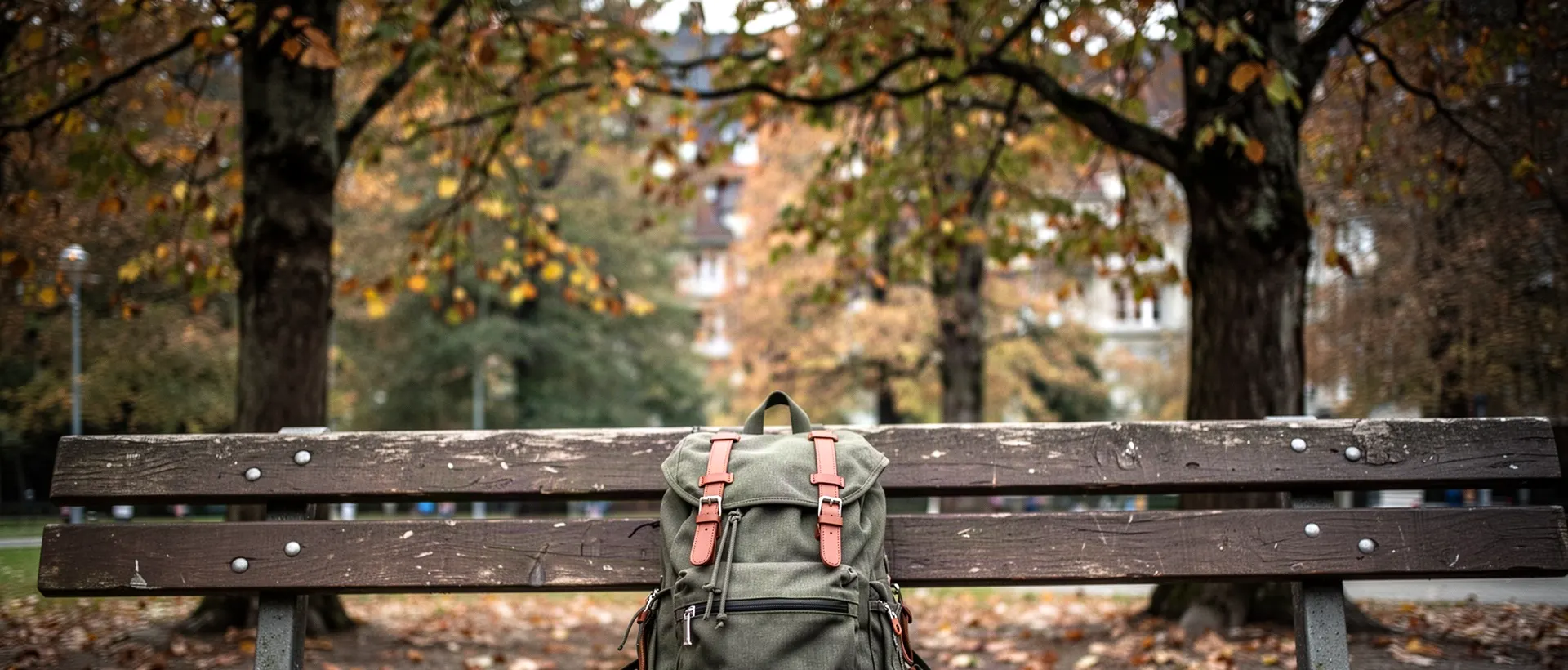
Picture a family from Austin with two children: one in elementary school, one in middle school. They are moving to Switzerland for a job and wonder what changes in the classroom. The honest answer is that a lot looks familiar (a school bag, a teacher, a class of neighbors), but the logic behind it is different. This page compares the Swiss school system with the US system so you can see what to expect and what to prepare from home.
The big difference: who is in charge
In the United States, schools are mostly run by local districts, within state rules. In Switzerland, the canton (a Swiss state, of which there are 26) is the main decision-maker for education, and the commune (Gemeinde, the local municipality) runs the day-to-day school. There is no single national curriculum in the American sense.
What this means in practice:
- Two cantons can differ on when children start school, how tracks are named and which foreign language comes first.
- The school your child attends is usually assigned by your address, not chosen like a magnet or charter school.
- The same school year in one canton may have a different label in another.
If you want the full Swiss picture first, read how Swiss schools work, from kindergarten to university. This page stays focused on the comparison.
Stages side by side
The US path is familiar: elementary, middle, high school, then college. The Swiss path has a similar order, with an early split into tracks.
| US system | Swiss system | What differs |
|---|---|---|
| Preschool / pre-K | Kindergarten (Kindergarten, école enfantine) | Often part of public schooling, local rules vary |
| Elementary school | Primary school (Primarstufe) | Class teacher teaches most subjects |
| Middle school | Lower secondary (Sekundarstufe I) | Children are sorted into tracks |
| High school | Upper secondary (Sekundarstufe II) | Academic school or apprenticeship |
| College | University or university of applied sciences | Entry route depends on diploma type |
Tracking: the point that surprises Americans most
In most US districts, children stay in one comprehensive school and choose electives or advanced classes. In most Swiss cantons, children are placed in different tracks at the end of primary school, based on grades, teacher input and sometimes an exam. Some cantons keep the tracks separate; others mix them in one building with level groups.
This does not close doors forever. Moving between tracks is often possible, and the vocational route is respected, not a "second choice". But the decision comes earlier than most American parents expect, so it helps to understand it before you arrive. The tool Find the right school type for your child gives a first orientation.
Vocational education is a main road, not a side road
In the US, college is the default expectation. In Switzerland, a large share of young people take an apprenticeship (Lehre): they work in a company a few days and attend vocational school on the others. It leads to a recognized qualification and can connect to a university of applied sciences later.
For a family from the US, this can feel unfamiliar. It helps to see it as a parallel path with its own prestige. For higher education options, see universities and universities of applied science.
Language of instruction
American children are used to English classrooms everywhere. In Switzerland, the language of the school follows the region: German in the German-speaking part, French in the French-speaking part, Italian in the Italian-speaking part. A child who arrives without that language typically gets extra language support in public school, but the lessons themselves are not in English.
Two options exist if this is a concern:
- Public school, where children learn the local language quickly through daily contact. See public school for international children.
- International school, where classes are in English, often with a program such as the International Baccalaureate or an American-style curriculum. See international schools in Switzerland, plus the pages for Zurich and Geneva.
Children also learn a second national language and English at school, so most grow up with several languages.
The school day and the school week
Daily rhythm is where families feel the difference most.
- Many Swiss schools do not run one long block with a cafeteria lunch. Children often go home for lunch, or use a lunch table (Mittagstisch) organized by the commune or a private provider.
- Schedules can vary by day and by class, especially in primary school. Afternoons may be free for some age groups.
- Wednesday afternoons are often free in many places.
- Yellow buses are rare; children usually walk or use public transport, even young ones, in a safe neighborhood.
Childcare and after-school care fill the gaps. Read childcare and after-school care to see how families combine school and work.
Sports, clubs and activities
American schools often host sports teams, bands and clubs. In Switzerland, these usually happen outside school, in local clubs (Vereine): football, gymnastics, music school, scouts. Schools do organize outings, ski days and class trips, but the competitive school-team culture is much smaller.
Costs
Public schooling does not charge tuition in general, although families may pay for trips, materials or lunch tables. Private and international schools charge fees, and these can be significant. Read what international schools cost for the structure of fees without guessing a number.
Grades, tests and report cards
The American A to F scale and GPA do not exist in Switzerland. Grading scales differ by canton, and in many cantons six is the best mark. Instead of GPA, schools use report cards with marks per subject and teacher comments. Standardized tests like the SAT are not part of daily school life.
Enrolling a child from the US
The process looks like this:
- Arrival is registered with the commune, within 14 days in many places (R7 information from ch.ch; the exact rule can differ by commune or canton).
- The commune or school district assigns a public school based on your address.
- Documents such as past report cards, vaccination records and identity papers are presented.
- A first conversation with the school helps decide the class level and language support.
Health cover is part of settling in: basic health insurance is compulsory within three months of arrival (Federal Office of Public Health, FOPH). It covers children too.
The page on enrolling your child in a Swiss school lists the steps. If you are still deciding on a city, compare them with the city comparator.
What to prepare from home
- Collect recent report cards and a letter on your child's current grade level
- Gather vaccination records and a medical summary
- Ask your current school for a short description of the curriculum
- Check which language the local school uses
- Decide whether a public or international school fits your plans
- Look at the relocation calendar to order your tasks
- Build your list in the personal checklist tool
For the wider picture of the move, see moving to Switzerland from the United States. Whether the family starts in Geneva or elsewhere, the cantonal rules decide the details.
When help is useful
School choice is tied to housing, permits and timing. Relocation companies that work with families often help with school searches, registrations and orientation. Through the request form at the bottom of the page, a specialist examines your case and connects you with a relocation company that matches the need. See also relocation services and immigration support. To check your permit route, try Which permit do I need?.
Frequently asked questions
Is the Swiss school system better than the US system?
Neither is simply better. Switzerland offers strong vocational routes and low tuition in public school, while the US offers more flexibility in one comprehensive school.
Do Swiss schools teach in English?
Public schools teach in the local language of the canton. English lessons exist, but classes are not in English. International schools teach in English.
Who decides which school my child attends?
For public school, the commune usually assigns a school by address. Private and international schools are chosen by the family.
Is public school free?
Public schools generally do not charge tuition. Some costs, such as trips, materials or lunch, can still fall on families.
What is a canton?
A canton is one of the Swiss states. Each runs its own education system within a shared federal framework.
Is there a national curriculum?
Not in the American sense. Regional curricula exist for the language regions, and cantons decide how to apply them.
When does school start?
The starting age depends on the canton. The local commune can tell you the rule for your address.
What is the equivalent of middle school?
Lower secondary school (Sekundarstufe I) is the closest match. It is where children are placed in tracks.
What is tracking?
Tracking means children are placed in school types with different academic demands, based on grades and teacher input.
Can my child change tracks later?
Often yes. Cantons offer ways to move between tracks, though rules and conditions differ.
What is an apprenticeship?
It is a structured vocational path where a young person works in a company and attends vocational school, leading to a recognized qualification.
Can an apprenticeship lead to university?
There are routes from vocational qualifications to universities of applied sciences. Details depend on the diploma and the canton.
Is there a GPA?
No. Report cards show marks per subject, and the scale depends on the canton.
Does my child need to speak German or French first?
Not before arrival. Public schools usually offer language support, and children pick up the language through daily contact.
What if my child does not speak the local language?
Many communes provide extra language classes for newly arrived children. An international school is another option.
Do children eat lunch at school?
Often not in the American way. Many go home or use a lunch table organized locally.
Are there school sports teams?
Mostly not. Sports and music happen in local clubs outside school.
Do children take school buses?
School buses are rare. Children usually walk or take public transport.
Will my child lose a grade level when moving?
It depends on age, cantonal rules and the level assessment. The school discusses placement at the first meeting.
Can I choose a public school outside my address?
Usually the commune assigns it. Exceptions depend on local rules, so ask the school office.
How do I register my child?
Registration with the commune comes first, then the school is assigned. See enrolling your child in a Swiss school.
Do my US report cards count?
Schools usually ask for them to place your child in the right class, even if grading scales differ.
Does my child need health insurance?
Yes. Basic health insurance is compulsory for everyone living in Switzerland, within three months of arrival (FOPH), and it covers children.
Is an international school the safer choice for an American child?
It makes the language change easier, but fees can be high and it may limit contact with local life. Public school suits many families too.
Where can I compare schools?
Start with Compare schools and the pages on international and public schools.
Sources
Related pages
- How Swiss schools work, from kindergarten to uni
- Public school for international children
- International schools in Switzerland
- What international schools cost
- Enrolling your child in a Swiss school
- Childcare and after-school care
- Universities and universities of applied science
- Settling in as the partner who follows