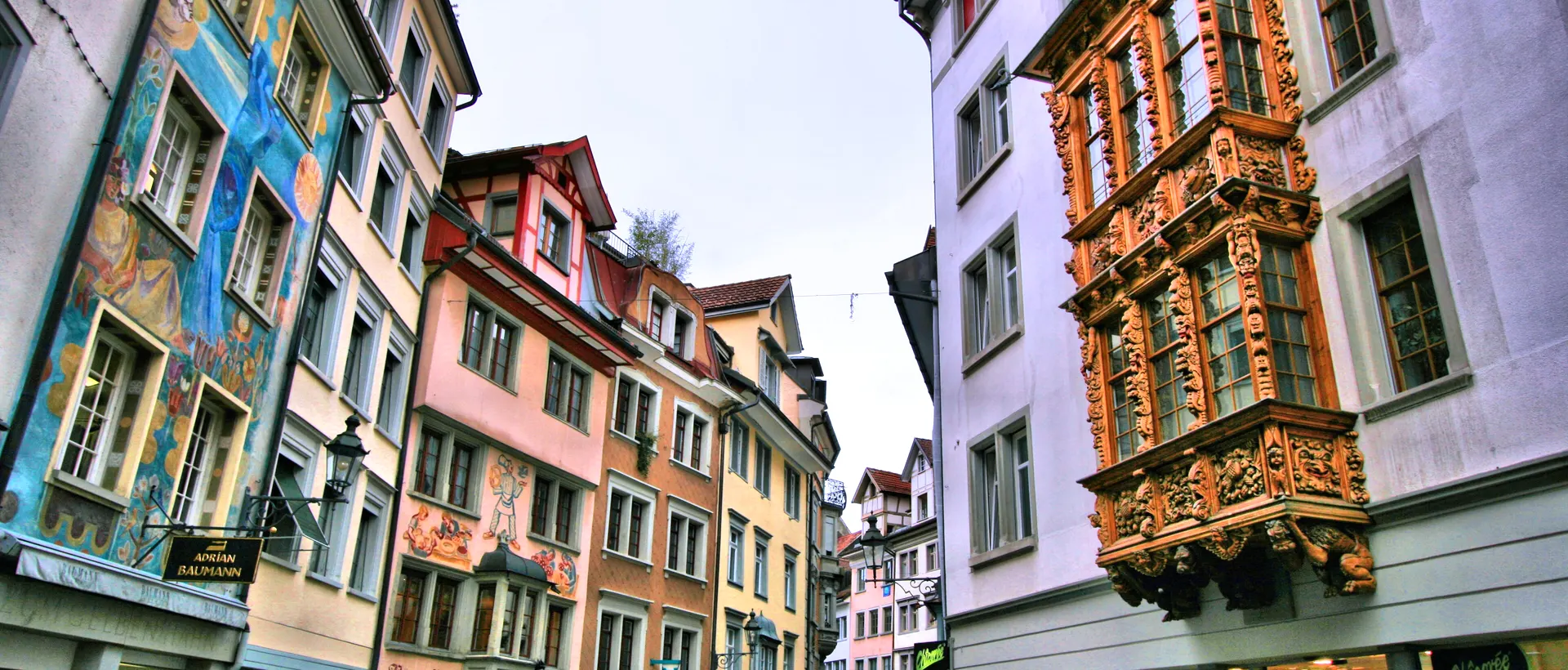
An orientation visit, often called a look and see trip, is a short stay in Switzerland before your move. You are not moving yet. You are walking the streets, riding the trains, and deciding whether a city feels right for you and your family.
Many people arrive from far away: London, New York, Mumbai, Singapore, Tokyo. A visit lets you test your picture of Swiss life against the real thing. This page explains what the trip is for, how to organize it, and when it makes sense to ask a specialist for help.
What an orientation visit is for
Think of it as research with your feet. A good visit answers questions that websites cannot:
- Does the neighborhood feel like home, or only look good in photos?
- How long does the daily commute to work or school really feel?
- Which language do people speak in shops and at the school gate?
- What kind of home fits your family, and how does the local market work?
It is not a residence trip. A visit does not give you the right to settle, and nothing you do on it starts a permit. Switzerland has two regimes: one for citizens of EU/EFTA countries and one for citizens of third states. Which one applies to you decides how your later move works. The official State Secretariat for Migration (SEM) explains the basic split. A specialist can look at your own situation.
Step by step: from home to the trip
Before you book
Start with the big question: which cities? If you are unsure, our city comparator helps you narrow the list. Two or three cities is plenty for one trip. More than that and you will spend your days on trains.
Then write down what matters. Families with school-age children often start with the school type and language. Couples without children may care more about transport and nightlife. Put your priorities in order before you pack.
Plan the days
Give each day one purpose. A simple pattern works well:
- Morning: walk the neighborhood you are considering, at rush hour if you can.
- Midday: visit a school or a viewing, if an appointment is possible.
- Afternoon: ride the commute you would make for work.
- Evening: eat locally and see how the area feels after dark.
Book a base
You can stay in a hotel or a short-term apartment for the visit. If you want to stay longer while you search, see temporary housing. Keep the trip flexible, because appointments in Switzerland are often confirmed only a few days ahead.
What to do on the ground
Here is a practical checklist you can adapt:
- Walk each neighborhood on your shortlist at different times of day
- Ride the train, tram, or bus you would use every day
- Visit the school or childcare you are considering, if they accept visitors
- Look at several types of homes to understand what is normal
- Find the supermarket, pharmacy, and a family doctor's neighborhood
- Note which language people use for everyday services
- Take photos and notes while the details are fresh
A tip from families who have done it: bring your children. A child who has met the playground and the school building is far calmer on moving day. And a partner who has seen the town is far more confident about leaving a job behind.
What you can do alone, and when a provider helps
Most of the trip is easy to do by yourself. Walking, riding, eating, and looking need no help. Help becomes useful when you want appointments that are hard to get from abroad: viewings, school visits, or meetings with local offices.
If you would like support, you can send a brief through the request at the bottom of the page. We review it and, depending on what you need, put you in touch with a relocation company that fits. The company, not this site, then talks through the details with you. Read how to choose a relocation agency for the questions to ask at that first conversation.
What the visit cannot replace
An orientation visit does not replace the formal steps. Some of them depend on your permit and your canton, so leave them for after the decision.
- Your permit. The authorities grant permits, not a visit and not us. See immigration support for how help with this works.
- Registering with your municipality. Arrival must be announced to the commune. According to what the fact base shows, this is usually within 14 days of arriving, and the exact rule can vary by commune and canton. At the desk you typically show your ID, your permit, and proof of health insurance (see ch.ch).
- Health insurance. Anyone living in Switzerland must take out basic health insurance no later than three months after taking up residence. If you are on time, cover is retroactive to your arrival date, so premiums are due from then (see the FOPH).
None of these steps starts during a short visit. They start when you actually move. For the full order, see the sample timeline.
After the trip: turn impressions into a decision
Sit down within a few days of returning and write down what you saw. Rank your cities. Then list what is still open: the type of home, the school, your partner's plans.
If a part of your plan needs more than you can arrange alone, these pages show where help is possible:
- Home search when you want viewings arranged
- School search for help finding the right school
- Partner and family support for the people who move with you
- Settling-in help for the first weeks after arrival
Frequently asked questions
Do I need a visa for an orientation visit?
It depends on your nationality and the length of your stay. Visitors from some countries enter without a visa for a short stay, while others need one. Check the entry rules for your passport with the Swiss authorities before you book. This is general information, not advice for your case.
How long should an orientation visit last?
Long enough to see each city on your shortlist at a normal pace, and not so long that you tire. Many families plan a long weekend per city. A specialist can suggest a length once they know your priorities.
Can I look for a job or sign a lease during the visit?
You can attend viewings, and you can talk to schools. But a lease or contract is a serious commitment, and rules differ by canton. Take your time, read what you sign, and ask someone who knows the rules before you commit.
Does an orientation visit give me the right to stay?
No. A visit is only a visit. Permits are granted by the authorities, and only for people who meet the conditions of the regime that applies to them.
Should I bring my children?
Often yes. Seeing the school, the playground, and the neighborhood helps children feel part of the decision. If a school visit is possible, ask in advance.
What should I prepare before I travel?
Know your shortlist, write down your priorities, and prepare your questions. Collect documents for later steps, such as ID and your employment details, so you are ready if a viewing goes well.
Is it better to visit in winter or summer?
Both teach you something. Summer shows you the lakes and the outdoor life, while winter shows you daily life as it is for most of the year. If you can only go once, choose the season that is closest to your move.
Which city should I visit first?
Start with the one you are most unsure about, because a visit settles doubt fastest. Our city comparator can help you decide the order.
Can a relocation company arrange my orientation visit?
Yes, some companies organize this kind of trip, with local guides and arranged appointments. Fees and scope differ, so ask what is included before you agree to anything.
Who can I ask if I am not sure what I need?
Send us your situation in a short request. We look at what you need and, depending on the case, put you in touch with a relocation company that fits. You can start on the request page.